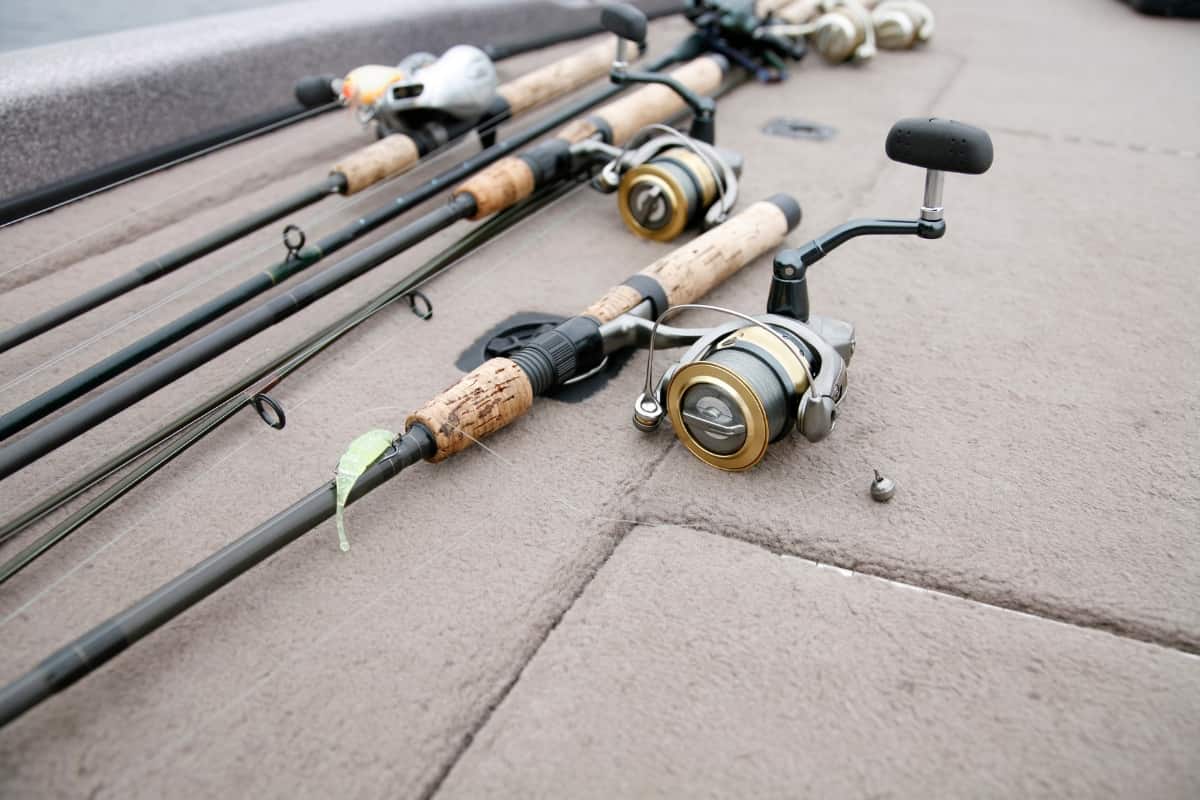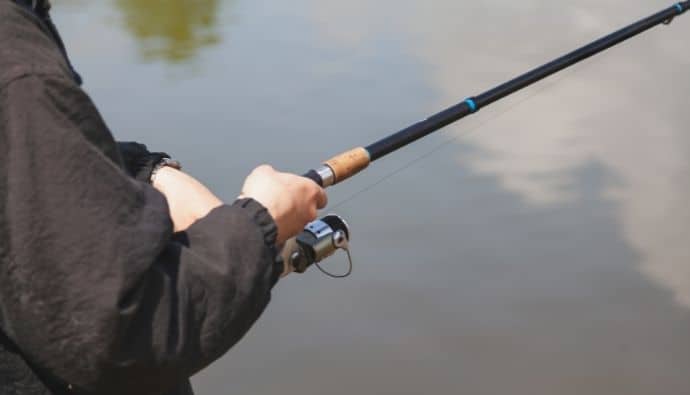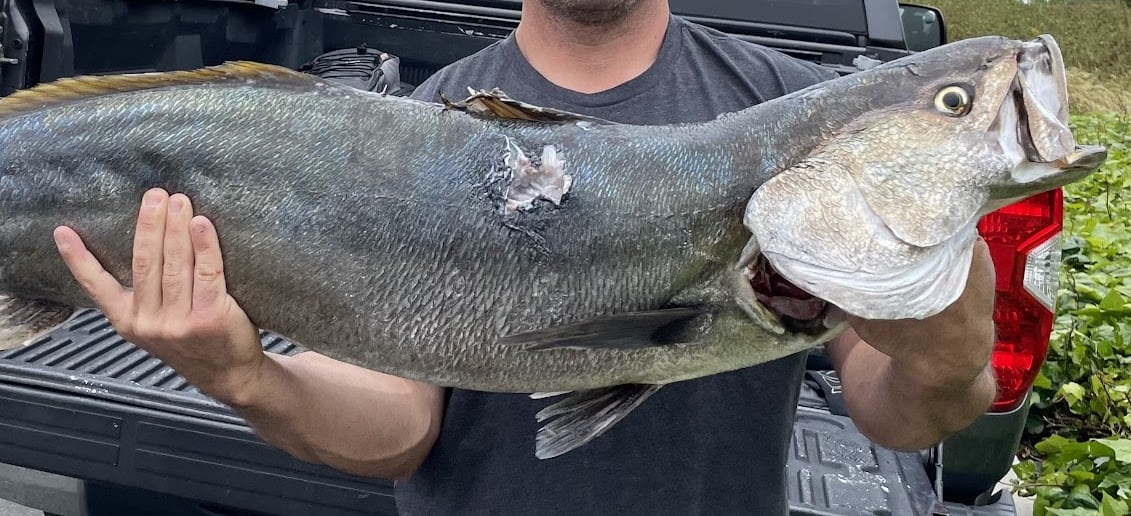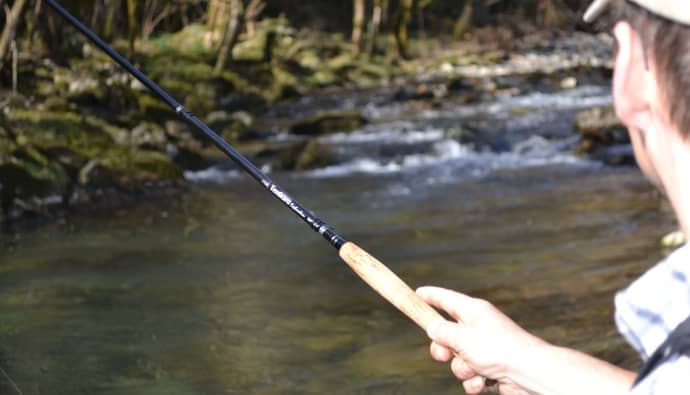

St Croix Rods Premier spinning rod tops our list of the best spinnerbait rods for 2023. This rod has strong aluminum guides and black chrome double-plated frames to enhance durability. It also features high-quality tapers and precisely tuned actions for added strength and power adjustment. Moreover, these rods possess medium-light action with a quick tip and handle lines that can handle up to 4 ounces of lure. If you aim to catch bigger fish, the St Croix Rods Mojo Bass casting rod is your go-to fishing rod. This model features high-modulus SCII graphite and is long enough to handle the weight of a big fish. It also has a Fuji ECS reel seat and Kigan master 3D guides that enhance efficiency and give it a sleek look. Lastly, it’s light and easy to use, and you can use it for pitching and flipping.
As an angler, you want a successful fishing trip, and you can only achieve this if you have the best spinnerbait rod. Here, we have compiled a list of the top seven spinnerbait rod that every angler should have.
7 Best Spinnerbait Rods for 2023
- Best Overall-St. Croix Premier Spinning Rods
- Good Spinnerbait Rod For Big Fish Catching-St. Croix Rods Mojo Bass Casting Rod
- Best for Premium Handles-Dobyns Rods Fury Series 7’3″ Casting Fishing Rod
- Best For Durability-Ugly Stik Elite Casting Fishing Rod
- Best Rod For High-Quality Cork Handle-Dobyns Rods Champion XP Series 7’0″ Casting Bass Fishing Rod
- Best Lightweight Rod-Abu Garcia IKE Signature Power Rod
- Best For Tournament Level Performance-Shimano SLX Baitcasting Rod
1. St. Croix Premier Spinning Rods
Best Overall
Key Features:
- Features excellent strength and power adjustment
- Has precisely tuned actions and higher-quality tapers
- Made of strong aluminum oxide guides with black chrome double-plated frames for durability
Premium SCII graphite spinning rod offers exceptional strength and a heavy power rating. Additionally, the St. Croix Premier Spinning Rod is considered a high-quality spinnerbait fishing.
The handle of the cork fits comfortably and nicely with the 3D handlebars. The entire spinning rod is covered in two Flex Coat coatings to provide a performance of up to five years.
Moreover, this spinning rod features a medium-light action with a quick tip. It is also equipped with handle lines in the 4-12 lb and 4 ounces of lure.
2. St. Croix Rods Mojo Bass Casting Rod
Good Spinnerbait Rod For Big Fish Catching
Key Features:
- Made of SCII graphite rod for medium power rating and fast action
- Features a Fuji ECS reel seat and Kigan master 3D guides for a sleek look
- Can use large spinnerbaits
This 6’8 model is made of high modulus SCII graphite, with medium power and fast action. It’s not too lengthy or heavy, but it’s long enough to handle big bass.
The Mojo Bass Casting Rod is a stiffer, stronger rod than the others on any spinnerbait rods list.
This high-quality casting rod for spinnerbaits has a great deal of backbone and sensitivity. Also, it is light and simple to use. Pitching and flipping are also possible with the St. Croix Mojo Bass Casting Rod.
3. Dobyns Rods Fury Series 7’3″ Casting Fishing Rod
Best for Premium Handles
Key Features:
- Has high modulus graphite blank, which offers crack free strength
- Features Kevlar-wrapped guides with effective finish
- Has AA Premium Cork Handles with Hypalon butts for optimum comfort
Dobyns Fury rod for spinnerbaits is an all-around answer for all of your spinnerbait fishing excursions. Jigs, crankbaits, rigs, and flukes are all supported by the spinnerbait rod.
Mainly because it has quick action and provides a comfortable rod feel to handle because it’s lightweight.
Setting the hook on a bass bite is simple with this rod, which has plenty of backbone. This ensures that the hooks sink directly into the bass’s jaw.
Made of Kevlar-wrapped guides and a high modulus graphite blank, AA-grade cork grip. Moreover, a Fuji reel seat ensures that nothing gets twisted or out of position.
4. Ugly Stik Elite Casting Fishing Rod
Best For Durability
Key Features:
- Has medium power, perfect for spinnerbait rod
- Has a lightweight graphite construction that brings durability and great sensitivity
- Has a large line and lure weight range
The tips of Ugly Stik are recognized for their durability. If you’ve ever fished with an UglyStike, the Elite rod is one of the company’s top-of-the-line casting rods. Consequently, you can expect the same high-quality rod construction and performance.
This UglyStik Elite model is 6 1/2 feet long with lightweight graphite rods for spinnerbait fishing. The medium power is precisely calibrated, and the extra-fast tip enables effortless casting and retrieval.
The reel seats are blank style and have cushioned stainless-steel hoods. The tip is more sensitive and tactile than the standard UglyStik.
5. Dobyns Rods Champion XP Series 7’0″ Casting Bass Fishing Rod
Best Rod For High-Quality Cork Handle
Key Features:
- Has medium power that is enough to catch medium-large fish
- Features 11 Kigan guides for a more responsive spinnerbait rod
- It has a high-quality cork handle perfect for capturing a large fish
The Dobyns Rod’s graphite blank provides both sensitivity and strength. Indeed, this rod is perfect for any fishing excursion (especially bass fishing) due to its sufficient power, lightweight, castability, and sensitivity.
Despite its rating for heavy lures and lines, this great rod can throw 14-ounce jigs. 11 Kigan guides with silicone carbide inserts maintain a cool, fray-free line.
If this is your first quality spinnerbait, you’ll notice a reduction in break-offs during tough fights right away.
6. Abu Garcia IKE Signature Power Rod
Best Lightweight Rod
Key Features:
- Made of 36-Ton graphite for a lightweight, balanced design and increased sensitivity
- Features an Ergonomic split grip with EVA handles
- Has Durable stainless-steel guides with Zirconium inserts
Many bass anglers begin their bass fishing careers with this spinnerbait and then continue to use them for years due to their durability and versatility.
It features a combination of adequate weight and high casting accuracy for a very affordable price.
Although this rod was not developed especially for spinnerbaits, it does offer a perfect balance of action and power.
Abu Garcia’s workhorse casting rod is adaptable to most lures and presentations used in bass fishing. It is mainly constructed using 36-ton graphite and reinforced with the Sublayer Armor fiber braiding technique.
Great for bass fishing, Abu Garcia IKE Signature Power Rod is a must-have.
7. Shimano SLX Baitcasting Rod
Best For Tournament Level Performance
Key Features:
- Made of 24-Ton carbon construction for a stronger and more sensitive spinnerbait rod
- Made of Solid reel for durability
- Capable of throwing heavy lures and light lures with ease
The Shimano SLX Baitcasting Rod emphasizes durability and performance across various flexible actions, delivering tournament-level performance at an affordable price.
Shimano SLX Baitcasting Rods are constructed from high-quality 24-ton carbon blanks and provide a precise balance of strength and sensitivity.
It is equipped with performance-enhancing components such as titanium oxide semi-micro guides and unique reel seats that ensure long-term durability.
Indeed, Shimano’s SLX is a rod for spinnerbaits because it meets the needs of competitive, budget-conscious anglers.

Things to Consider When Buying Spinnerbait Line
The outstanding feature of a spinning lure is made possible by using the best rod. A tool like a throwing rod is more than capable of casting and retrieving. Moreover, it all medium, allows you to land the kind of fish you are after.
The spinnerbait rod recommendations above are based on qualifications. To choose a rod that will endure for years, you must consider some requirements suitable for your bass fishing needs.
Rod Power
To better grasp rod power rating, it is described as the rod’s strength or lifting power. It can go from medium, ultra-light, or medium-heavy power.
If you’re using spinning rods, you must choose the correct power so that you may capture a fish and avoid losing it.
The best rod should be strong enough to put it on the fish to set the hook effectively. However, please do not set it too strong to rip the hook out of the fish’s mouth.
The label of a good rod is that it has a lot of backbone. Rated rods must be able to sustain heavier lines. Finding a rod with medium to medium heavy power would be an ideal spinnerbait rod.
If you’re not sure what power rating is best for you, start with medium-heavy power.
Action
The motion of the spinnerbait rod is determined by the hook you want to use. Crankbait treble hooks, for example, are excellent for use with a slower action rod.
A slower action rod delivers you more control over the fish.
However, it’s best to have a rod with a fast or faster action for spinner bait fishing. When a fishing rod’s tip is put under strain, the rod bends.
More rigid, sensitive, and powerful hooks are created because an extra fast or fast-action rod bends less than one-third of the rod blank.
Durability
Spinnerbait rods endure for a long time if built using excellent materials and a strong design. If they are inexpensive, low-quality, or below standard, skip them and go to better-quality graphite or carbon.
Thus you have to look for a good spinnerbait rod that can withstand the wear and tear of fishing and the rigors of transporting and storing it.
Length
Rod length for utilizing a spinnerbait rod often falls between six-and-a-half to seven feet. The rod length allows the spinnerbait to have the proper characteristics for fishing.
Also, it will be manageable regardless of the height of the fisherman. You can choose to have a longer or a shorter rod length.
For greater casting distance and more power, a longer rod is recommended. Opt for a shorter rod if you just use spinner baits in cover.
Line and Lure Weight
When making your choice for line and lure weight, you’ll need to think about the size of the spinnerbait you select. Additionally, you need to consider the kind of fish you’re after.
The minimum spinnerbait rod reviewed has a line weight from six pounds to 20 pounds for most rods. However, some may weigh much more.
To guarantee the greatest spinnerbait fishing experience for your particular use case, know the approximate size of the fish you’ll be catching.
Furthermore, match it with the line weight allowed for a spinnerbait rod.
Type
When deciding on a good spinnerbait rod, it is essential to know what kind of bait you will be using. Bass fishing rods are often used with spinnerbaits, although you may use a spinning rod setup if you’re using smaller, lighter spinnerbaits.
The best baitcasting reels provide simpler handling due to their smaller size and larger casting distance, and more backbone. Since this leads to greater outcomes, combining a baitcasting rod with a baitcasting reel is a reel combo.
Start A Better Fishing Experience Now
Choosing the best rods for spinnerbaits improves spinnerbait performance, increasing the odds of a catch and retrieve.
Thus, it is important to consider some qualifications before purchasing a good spinnerbait rod for your reel combo to improve your bass fishing experience. The list of the top spinnerbait rods above is a great place to start your search.
So, what is the best rod for you? It really depends on your personal fishing needs and preferences. If you’re looking for a versatile rod that can be used in a variety of situations, then we recommend the St. Croix Premier Spinning Rods.
Whichever option you choose, be it a longer rod, a medium heavy action rod, or one with a medium rod power with a single hook, we hope our spinnerbait rod recommendations helped.
 Fishing Expert

 Facebook
 YouTube