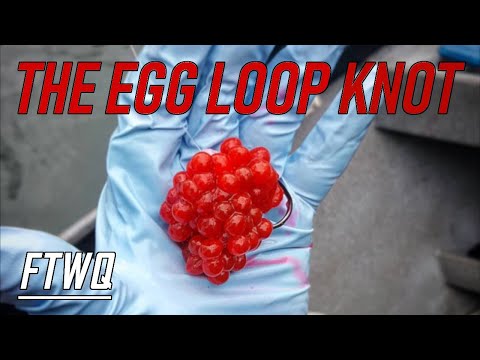
The Egg Loop Knot is a specialized

Why Use an Egg Loop Knot?
- Secure Bait Attachment: The loop holds soft baits securely, preventing them from sliding off the hook, even in strong currents or when casting. This is its primary advantage.
- Natural Presentation: Allows the bait to move more naturally in the water, attracting fish.
- Strong Connection: When tied correctly, it’s a very strong and reliable knot.
- Versatile: Can be used with a variety of baits and hook types.
- Holds Bait Open: The loop keeps the bait away from the hook shank, allowing for better hook penetration.
How to Tie an Egg Loop Knot: Step-by-Step
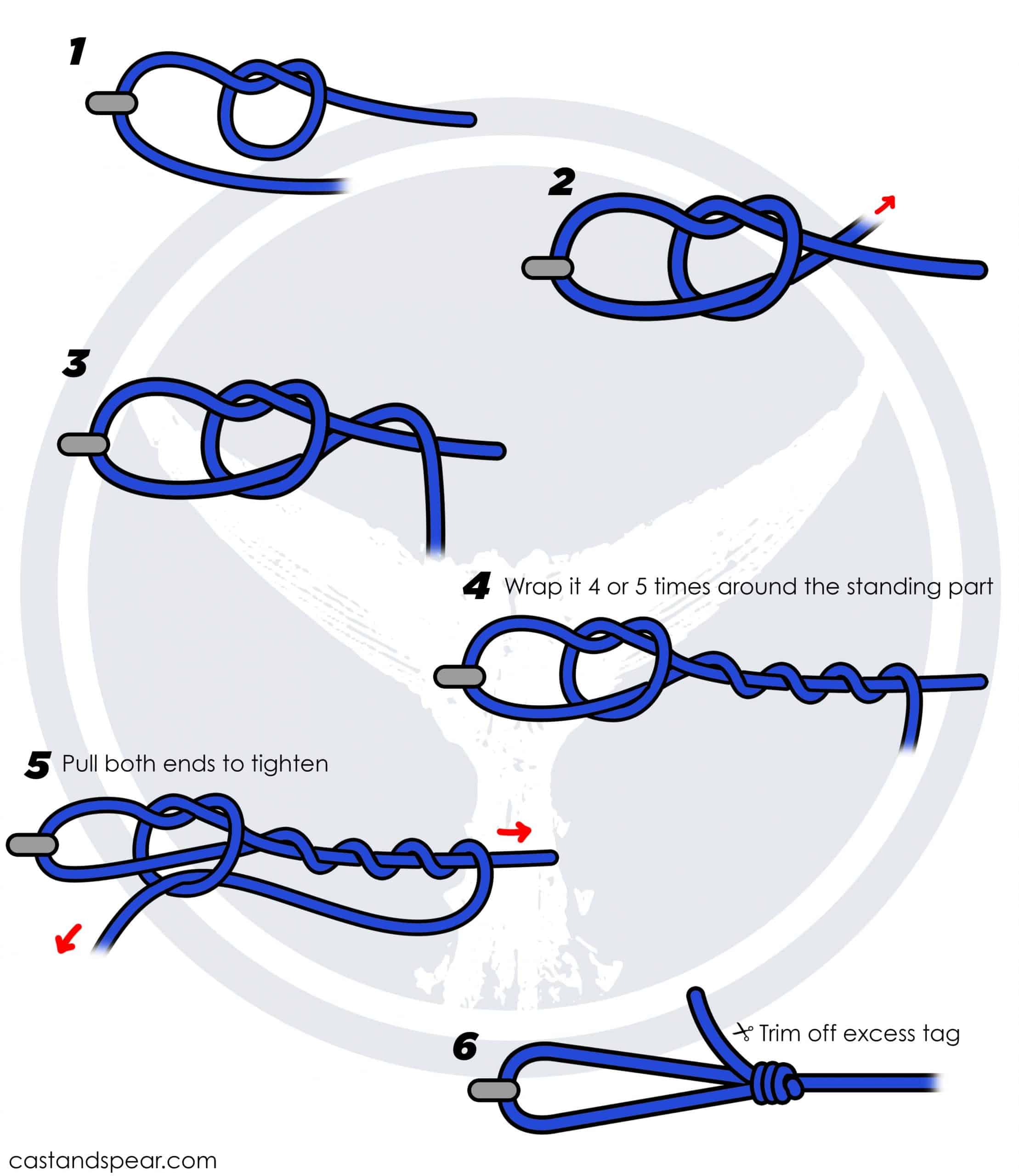
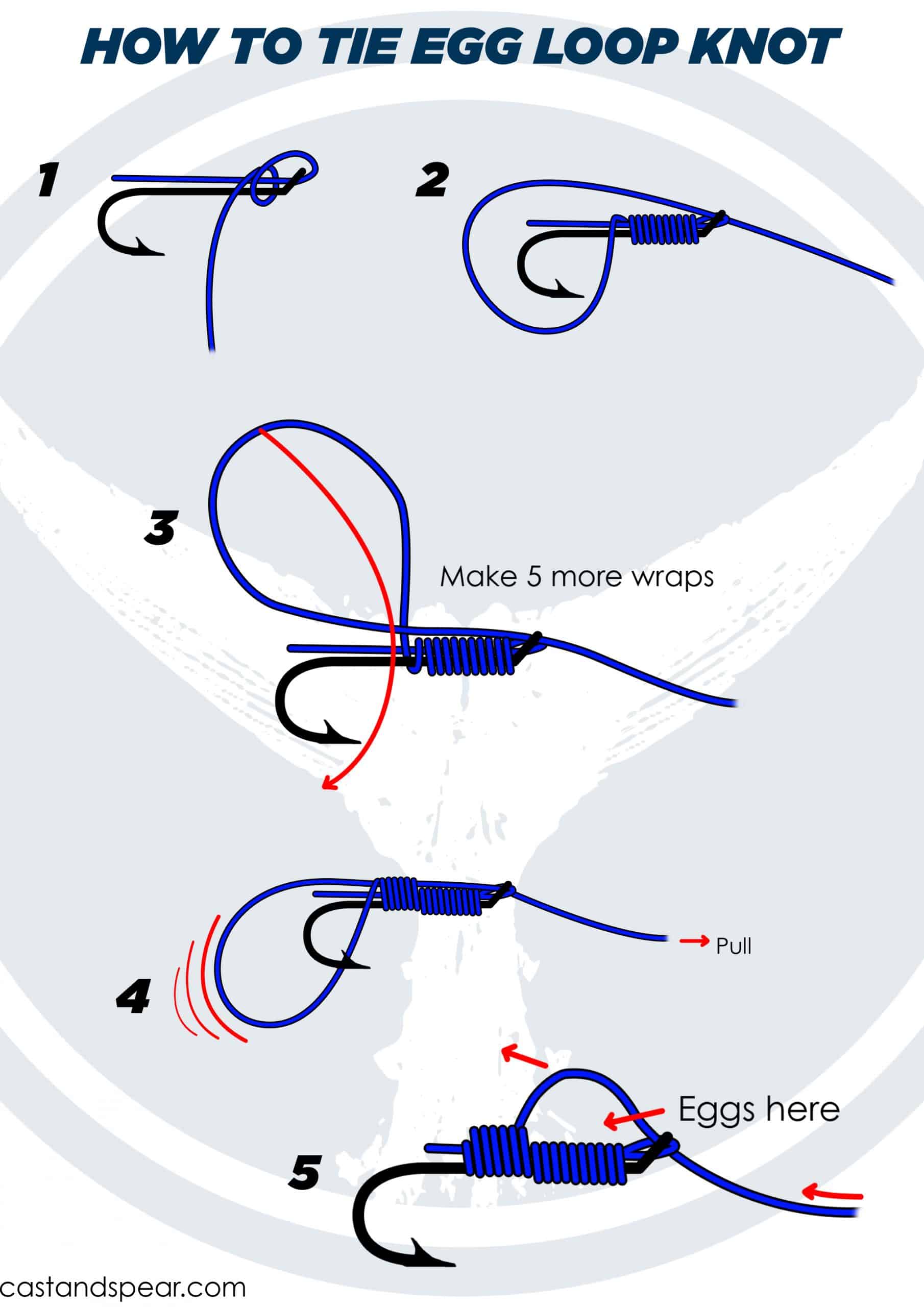
- Thread the Line: Pass the tag end (the loose end) of your leader line through the eye of the hook, going from the point side towards the shank. Leave a long tag end (at least 6-8 inches, or even longer if you’re a beginner). You’ll need plenty of line to work with.
- Form a Loop: Bring the tag end back up towards the hook eye, creating a loop that lies alongside the hook shank. The loop should extend past the hook bend. Imagine the loop as a long oval, lying parallel to the shank.
- Pinch and Hold: Crucially, pinch the loop and the hook shank together firmly with your thumb and forefinger. This is essential to keep the wraps tight and prevent the knot from unraveling. Your fingers should be holding three things together: the shank, the loop, and the standing line.
- First Wrap: Make one wrap around the hook shank and the loop, going away from the hook eye (towards the bend). This first wrap is the foundation of the knot. Make sure this first wrap is tight and snug against the shank.
- Additional Wraps: Continue wrapping the tag end around the hook shank and the loop, making 5-10 tight, neat wraps. The number of wraps can vary depending on the line thickness and your preference. More wraps generally provide a more secure hold. Keep the wraps close together, without overlapping.
- Through the Loop: Once you’ve made your wraps, hold them firmly in place. Carefully pass the tag end back through the original loop you formed at the beginning (the one near the hook eye). Make sure the tag end goes through the loop from underneath and comes out on top. This is the “loop” part of the Egg Loop Knot.
- Moisten and Tighten: Moisten the knot with saliva or water. This lubricates the line and helps the knot cinch down properly, preventing slippage and damage to the line.
- Tighten Slowly: Slowly and steadily pull on the standing line (the main part of your leader) while continuing to hold the wraps in place with your thumb and forefinger. This is important! The wraps should tighten down neatly and evenly, forming a compact knot. You’ll feel the loop cinch down. Do not pull on the tag end to tighten the knot initially.
- Final Tighten: Once the wraps are snug, continue pulling on the standing line to fully tighten the knot. You can also gently pull on the loop itself to help cinch it down.
- Trim: Trim the tag end close to the knot.
Tips for Tying a Perfect Egg Loop Knot
- Practice: This knot takes practice! Don’t get discouraged if it doesn’t come out perfectly the first few times. Practice with some scrap line until you get the hang of it. It’s one of those knots that feels awkward at first, but becomes easy with repetition.
- Tight First Wrap: The first wrap is the most important. Make sure it’s tight and secure against the shank before making the rest of the wraps.
- Steady Pressure: Maintain steady, firm pressure on the hook shank and the wraps while tying the knot. This prevents the line from overlapping or unraveling.
- Moisten: Always moisten the knot before tightening.
- Don’t Rush: Take your time, especially when you’re first learning. Rushing can lead to mistakes.
- Find Your Method: Different anglers have slightly different ways of holding the line and making the wraps. Experiment to find what works best for you.
- Line Length: Start with at least 4 feet of line to give you a 4-foot leader.
Troubleshooting
- Wraps Slipping: If the wraps are slipping or unraveling, you’re likely not holding them tightly enough with your thumb and forefinger. Start over and maintain firm pressure.
- Loop Too Big/Small: You must adjust the loop size before fully tightening the knot. If it’s the wrong size, you’ll need to start over.
- Knot Unraveling: This usually means the wraps weren’t tight enough, or you didn’t pass the tag end through the loop correctly.
How the Egg Loop Knot Works (The Mechanics)
The Egg Loop Knot creates a loop above the wraps on the hook shank. When you place your bait (e.g., salmon eggs) inside this loop and pull on the standing line, the loop cinches down around the bait, holding it securely. The wraps on the shank provide a strong, secure connection to the hook, while the loop itself acts like a tiny, adjustable noose for your bait.
Uses of the Egg Loop Knot
- Salmon and Steelhead
Fishing : The primary use! It’s ideal for holding salmon eggs, shrimp, and other soft baits used for these species. - Other Species: Can also be used for trout, catfish, and other species that respond to soft baits.
- Creating Space: You can tie it to a leader, giving you space to attach a lure.
Egg Loop Knot Advantages
- Secure Bait Holding: The loop cinches down on the bait, preventing it from slipping off the hook, even in strong currents or when casting.
- Natural Presentation: Allows the bait to move more naturally in the water, as it’s not directly pierced by the hook.
- Strong Connection: When tied correctly, it’s a very strong and reliable knot, distributing the tension evenly.
- Holds Bait Open
Egg Loop Knot Disadvantages
- Takes Practice: Can be a bit tricky to tie at first, especially getting the wraps tight and even.
- Can Unravel: If not tied correctly (especially if the wraps are loose), the knot can unravel.d correctly.
Variations
- Double Egg Loop Knot: Provides even more security for holding bait. You essentially create two loops instead of one. To make this, pass a double line through the eye of the hook.
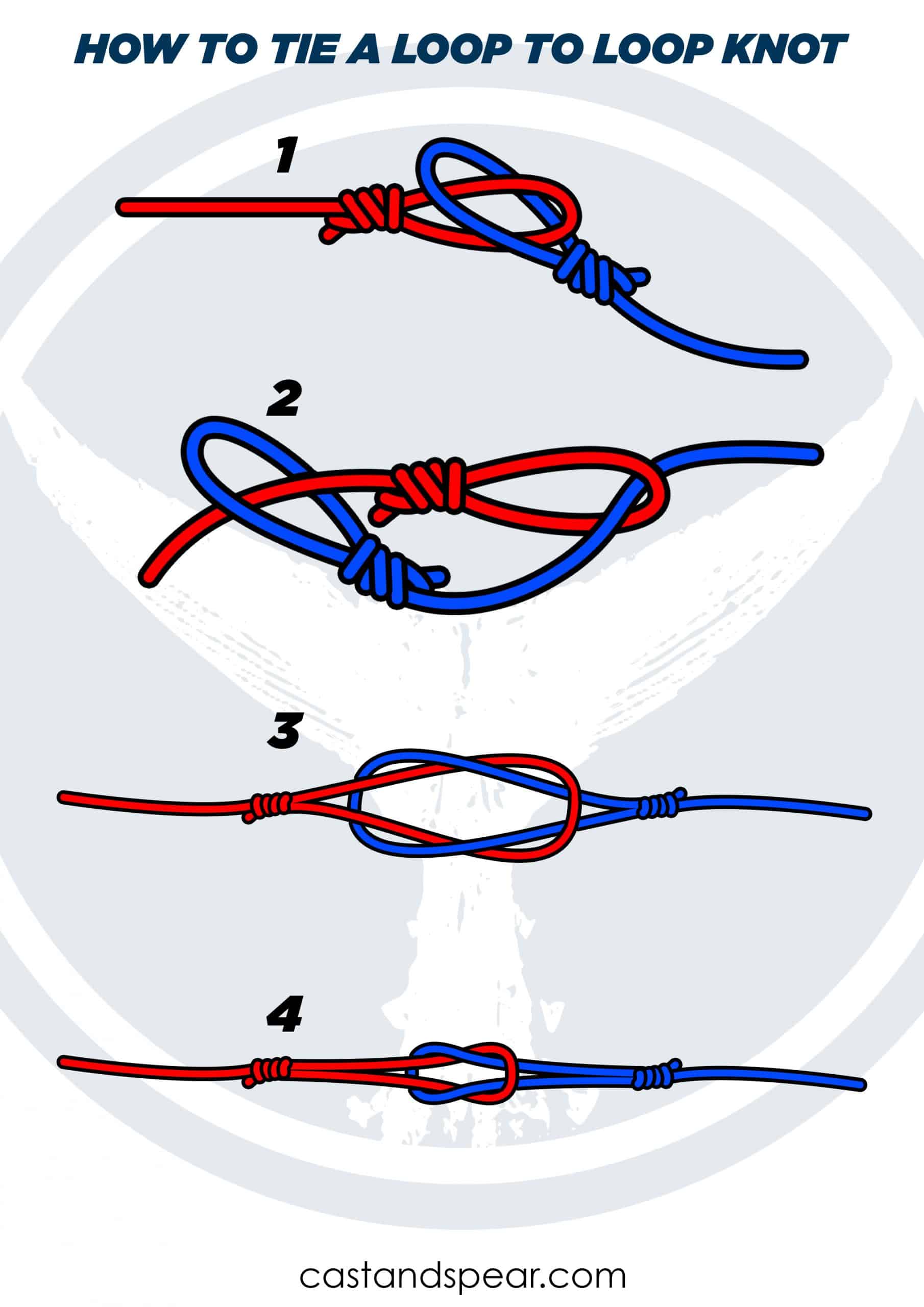
- Double Hook Egg Loop Knot: Used to tie two hooks in line, often for presenting larger baits or for increasing your chances of a hookup. You’ll need to leave a long tag end when tying the first knot to attach the second hook.
Alternative Knots (Other Knots for Attaching Hooks)
- Snell Knot: A very strong knot for tying line directly to a hook, especially a circle hook. The Egg Loop Knot is a variation of the Snell Knot.
- Uni Knot: A versatile knot that can be used for tying line to hooks.
- Improved Clinch Knot: Another popular knot for tying line to hooks.
Specific Bait and Hook Recommendations
- Salmon Eggs: Use a small, single hook (size 4 to 1/0, depending on the size of the egg cluster) and tie a small loop.
- Shrimp: Use a slightly larger hook (size 1/0 to 3/0) and a larger loop.
- Fish Roe: Use a small hook and a small loop.
- Artificial Baits (Puffballs, Yarn Balls): Use a hook size appropriate for the bait, and adjust the loop size accordingly.
Frequently Asked Questions
Use more wraps (turns) around the hook shank. Make sure the wraps are tight and neat. Moisten the knot before tightening.
It’s also called the “Bumper Knot.”
Keep steady pressure on the hook and line, and use your thumb and forefinger to hold the wraps in place as you tie them.
You can tie a bunch of egg loop knots ahead of time (while you’re traveling to your
See instructions above.
See instructions.
Strong connection.
Depends.
Holding bait.
See description.
Double the line.
See above.
Not necessarily.
Depends.
Yes.
Palomar.
Not relevant to this knot.
When you want a straight line pull.
Not relevant to this knot.
Conclusion
The Egg Loop Knot is an essential knot for any angler who fishes for salmon, steelhead, or other species that respond to soft baits. It takes some practice to master, but once you get the hang of it, you’ll be able to tie it quickly and confidently. This knot provides a secure hold for your bait and a natural presentation, increasing your chances of landing that trophy fish! Practice, be patient, and you’ll be tying perfect Egg Loops in no time.