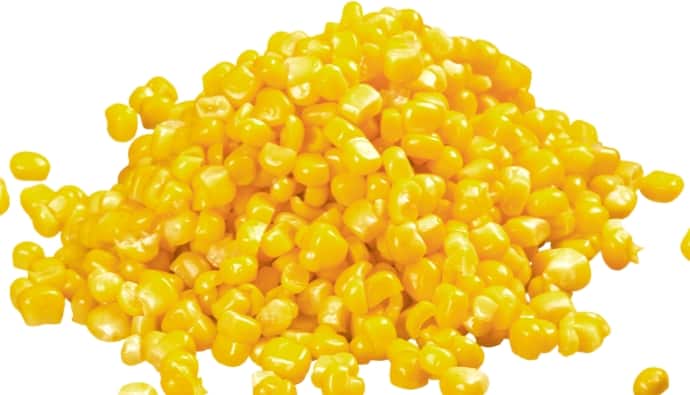

Are you looking for budget-friendly fish bait? Try corn! A lot of anglers swear by using corn to fish. It has a sweet scent and bright colors which can attract fish.
In this article, we’re sharing how you can use corn to fish as well as its pros and cons.
Our goal is to provide you with a comprehensive guide on effectively using corn for fishing while also considering any legal aspects or restrictions that may apply.
By the end of this article, you’ll have a better understanding of how to use corn as bait and you might even be eager to give it a try during your next fishing adventure.

The Benefits of Using Corn as Bait
Want to fish with corn? It has a lot of benefits; here are some.
Inexpensive and Readily Available
Corn is easy to find and very affordable. Stop by any grocery store, and you’ll find frozen or canned corn. If you forgot your bait or are on a budget, corn can be one of the baits you can turn to.
Easy to Store
Corn is also easy to store and transport, adding to its appeal as a fishing bait.
Canned corn has a long shelf life and doesn’t require refrigeration, making it perfect for long fishing trips or keeping in your tackle box. Frozen corn can be thawed and stay fresh in a cooler or insulated bait container. Additionally, its small size and lightweight nature make it easy to carry and handle while fishing.
Versatile and Appealing to Various Fish Species
Another great advantage of using corn to catch fish is its versatility.
Corn attracts many fish species, including carp, trout, and panfish like bluegill and crappie. The bright yellow color of corn kernels makes them highly visible in the water, and their natural sweetness appeals to the taste buds of many fish. This makes corn an excellent choice for anglers targeting multiple species during a single fishing trip.
Potential Drawbacks of Fishing with Corn
Possible Legal Restrictions in Certain Areas
Another potential drawback of fishing with corn is that it might be restricted or prohibited in some locations. Some states or fisheries have specific regulations regarding corn as bait, mainly due to nutritional concerns or the risk of introducing non-native species into the ecosystem.
Familiarizing yourself with local fishing regulations before heading out with corn as bait is essential. Always follow the rules and guidelines to protect the environment and ensure a healthy fish population for future generations.
Is Fishing With Corn Illegal? Here Are the Legal Considerations
Regulations That Might Limit or Prohibit the Use of Corn as Bait
It’s essential to be aware that some fishing regulations might limit or prohibit the use of corn as bait in certain areas.
These rules are in place to protect local fish populations and maintain a balanced ecosystem. Restrictions on corn as bait may be due to concerns about its nutritional value for fish or the potential for non-native species introduction.
Specific water bodies or fish species might sometimes have particular bait restrictions to protect their health and well-being.
Check Local Fishing Regulations Before Using Corn as Bait
Before you head out with corn as your bait of choice, take the time to check local fishing regulations to ensure its use is allowed in your area.
You can typically find this information on your state’s fish and wildlife agency website or by contacting your local fish and game office. Remember, it’s your responsibility as an angler to follow all rules and regulations, so always double-check with your fish and wildlife department before fishing with corn.
Doing so will help protect the environment and contribute to sustainable fishing practices for everyone to enjoy.
Types of Corn Used as Bait
There are several types of corn that anglers use as bait, each with its own unique advantages and methods of preparation.
This section will discuss canned sweet corn, dry feed corn, and flavored or colored corn, along with tips for using each type effectively.
Canned Sweet Corn Baits
Canned sweet corn is your best option if you want a get-and-go option. Simply open it and hook it to start using it.
Dry Feed Corn
On the other hand, dry-feed corn is your best choice if you’re looking for cheaper bait. But it needs preparation. Soak it in water overnight, then cook it. Make sure not to overcook it. When it’s soft but firm enough to stay on the fishing hook, it’s ready.
Flavored or Colored Corn
If you want to make your corn more appealing, you can add color or flavor.
Some popular flavorings include anise, garlic, and fruit scents. When using flavored or colored corn as bait, experiment with different colors and scents to find the most effective combination for your target fish. To hook flavored or colored corn, follow the same tips as canned sweet corn, adjusting the number of kernels and presentation based on the fish species and hook size.
Each type of corn offers unique advantages and can be effective in attracting fish when used correctly. Don’t be afraid to experiment with different types of corn and flavorings to find the best combination for your fishing needs.
Techniques for Fishing with Corn
Using the right rigging techniques and presentations when fishing with corn can significantly improve your chances of attracting and catch fish.
In this section, we’ll discuss different rigging methods and tips for enhancing corn’s visual and scent appeal for various fish species.
Rigging
Hair Rig for Carp
The hair rig is a popular method for presenting corn to carp.
This rig suspends the bait just off the bottom, making it easy for carp to find and consume. To create a hair rig, tie a small loop at the end of a short piece of fishing line, then attach the other end to the shank of your hook.
Thread a few kernels of corn onto a baiting needle, hook the loop onto the needle, and slide the corn onto the loop. Secure the corn in place with a bait stop.
Slip Sinker Rig for Catfish
A slip sinker rig effectively presents corn to catfish, allowing the bait to rest on the bottom where catfish typically feed.
Thread a sliding sinker onto your mainline, followed by a bead to protect the knot, and then tie on a swivel. Attach a short leader with a hook to the other end of the swivel. Thread corn onto the hook, combining it with other baits like worms or cut bait for added attraction.
Carolina Rig for Trout and Panfish
The Carolina rig is a versatile setup that can target trout and panfish with corn.
Attach a swivel to your mainline, then tie on a leader with a hook at the other end. Add a sliding sinker above the swivel to provide weight and maintain contact with the bottom. Thread corn onto the hook, adjusting the number of kernels for the size of the fish you’re targeting.
Float Rig for Suspended Fish
A float rig is ideal for presenting corn to suspended fish or fishing in shallow water.
Attach a float to your mainline, followed by a small split shot weight. Tie on a hook at the end of the line and thread corn onto the hook. Adjust the depth of the float to match the depth at which the fish are feeding.
Tips for Enhancing Corn’s Visual and Scent Appeal
- Use bright, whole kernels of corn to maximize the visual appeal.
- Add flavorings or scents to the corn, such as garlic, anise, or fruit flavors, to increase its scent attraction.
- Combine corn with other baits like worms, dough baits, or artificial lures to create a more enticing presentation.
By using the appropriate rigging techniques and presentations for the fish species you’re targeting and enhancing the visual and scent appeal of corn, you can improve your chances of success when you fish with corn as bait.
What Kind of Fish Can You Catch With Corn
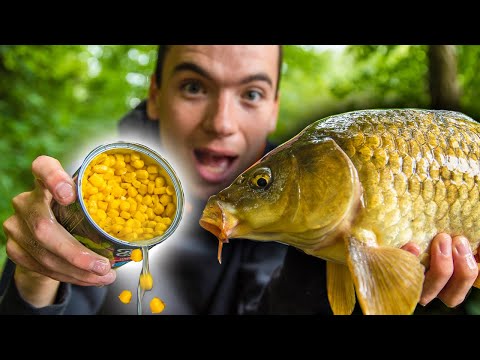
Corn can be an effective bait for a variety of fish species, especially carp.
Here are some of the most common types of fish that anglers catch using corn.
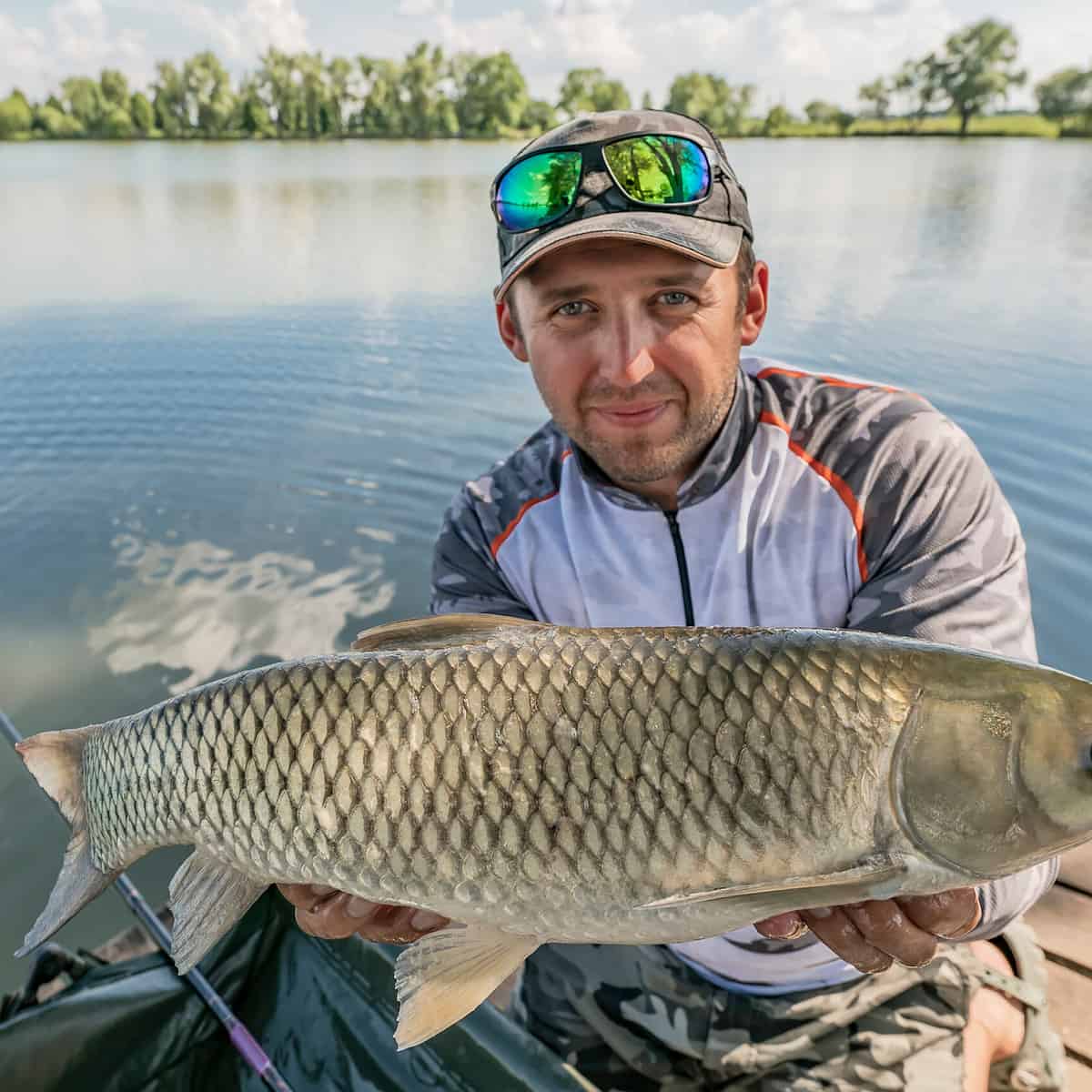
- Carp: Corn is well known as a carp bait. Carp go crazy for it. This is one of the reasons why you can find a lot of corn-based pack baits for carp fishing. However, the best and most effective corn bait is one you make yourself. Check out our bait recipe in our guide on how to make carp bait.
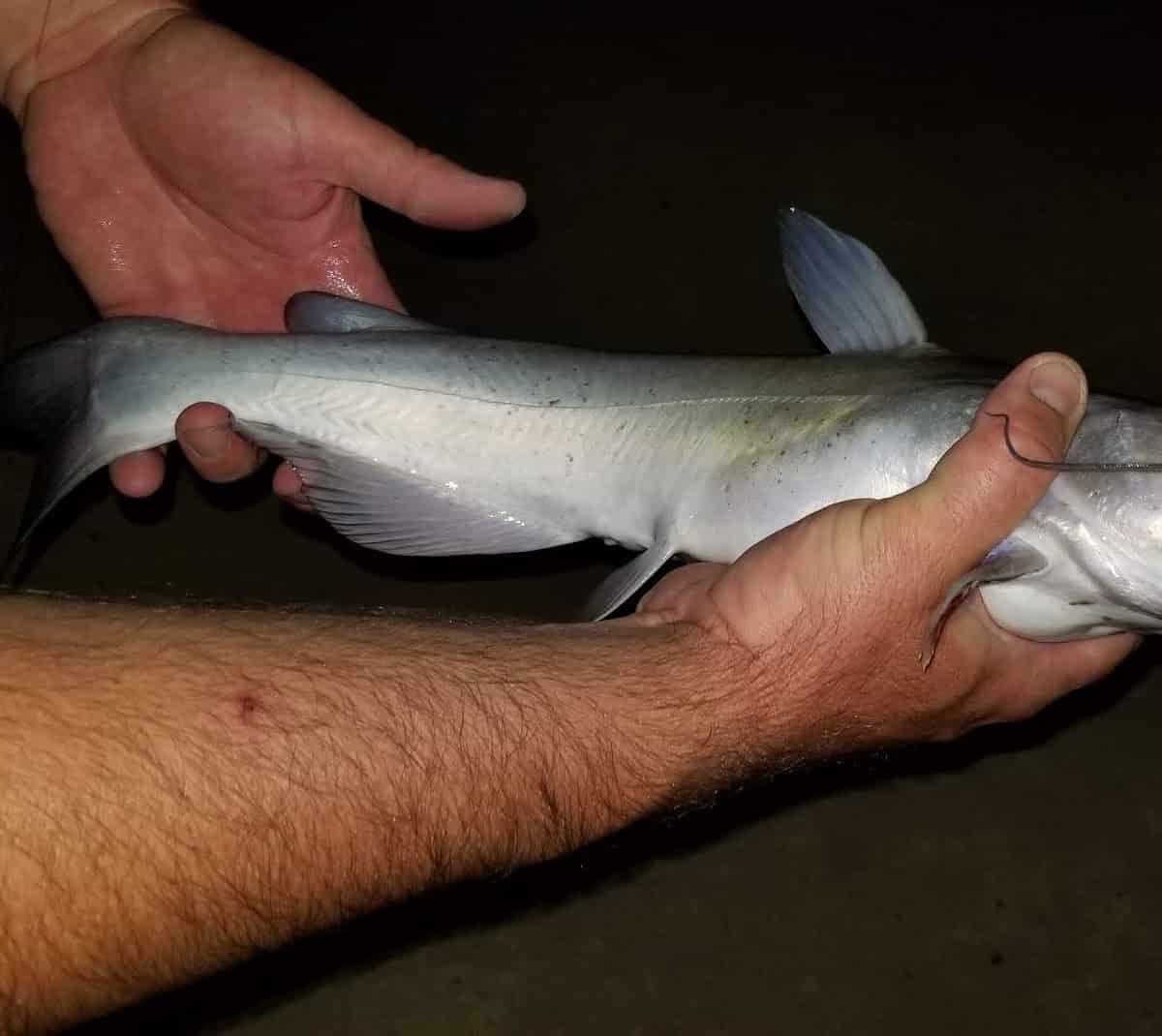
- Catfish: You can catch catfish with corn. However, if you want to catch big catfish, you’ll rarely hook one with corn. The most common catfish you can catch with corn are channel cats.
- Trout: Hatchery-raised trout are the easiest to catch with corn as bait. This is mainly because their diet while growing is a mixture of corn, pellets, and grain. When released into the wild, they’ll still recognize corn as food. Stocked trout is one such case. In comparison, you may not be as lucky with wild trout. So the next time you go trout fishing, make sure to bring more than just corn.
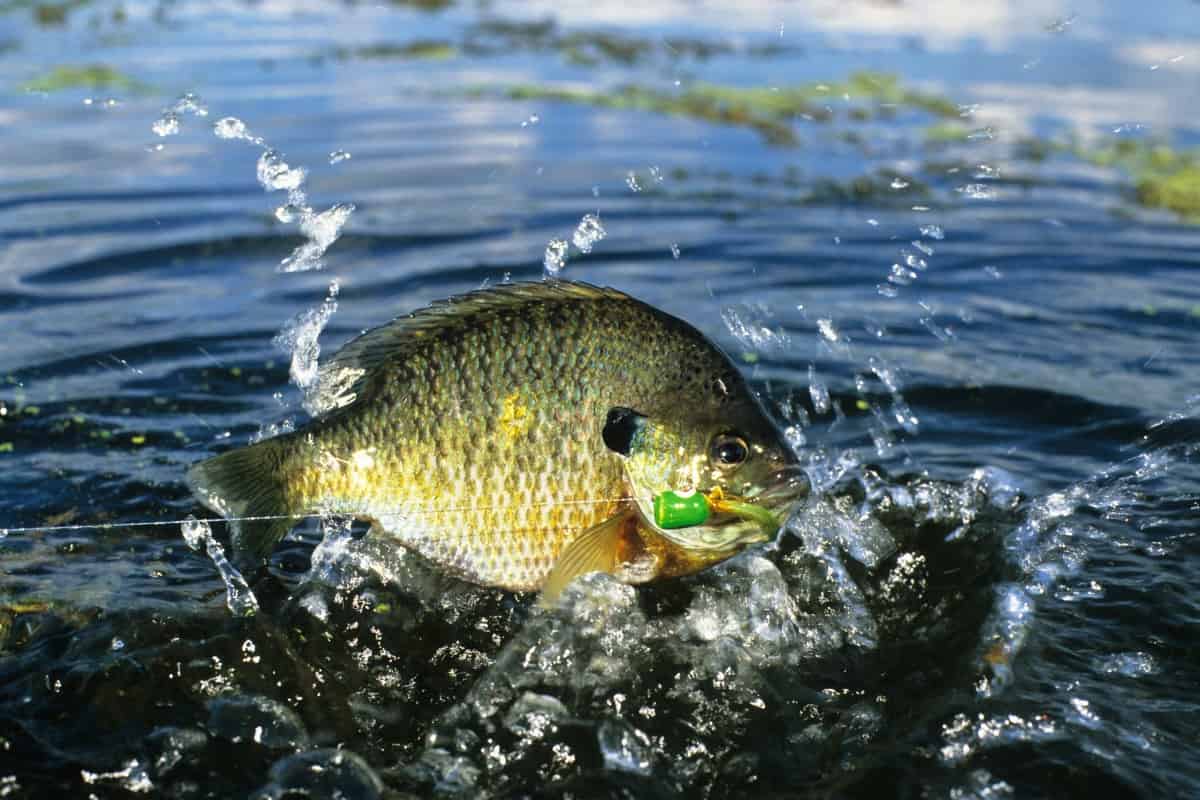
- Panfish: Panfish, such as bluegill and sunfish, are attracted to corn’s small size and vibrant color. Using corn as bait for panfish can be a fun and budget-friendly way to introduce children or beginners to the world of fishing.
- Kokanee: Kokanee, a landlocked variety of sockeye salmon, are another fish species that can be caught using corn. Anglers targeting kokanee often use corn with artificial lures or other scented baits to increase their chances of success.
When using corn as fishing bait, it’s important to remember that different fish species may require different presentations or techniques.
Experiment with various hook sizes, rigging styles, and corn preparations to find the most effective method for your target fish.

Combining Corn with Other Baits
When you’re planning to fish with corn, consider pairing it with other fishing bait. This can be an effective strategy to increase your chances of catching fish.
Combining different baits adds variety to your presentation and makes it more appealing to fish by offering a blend of tastes, textures, and scents. Here are some examples of successful bait combinations that include corn and tips for creating enticing bait presentations:
- Corn and Worms: A popular combination for catfish and carp fishing, corn and worms provide both visual appeal and scent attraction. To create this bait presentation, thread a piece of corn onto the hook, followed by a worm, and then another piece of corn. This combination can also be effective to catch trout and panfish.
- Corn and Dough Baits: Mixing corn with dough baits can enhance the sweet scent of corn and create a more substantial bait that fish can easily detect. To prepare this combination, mash some sweet corn into a dough bait, like homemade dough balls or store-bought carp bait, and form it around the hook.
- Corn and Artificial Lures: Combining corn with artificial lures like spinners, spoons, or jigs can create an irresistible presentation for fish like trout and kokanee. Attach a piece of corn to the lure’s hook to add scent and a natural element to the artificial bait.
- Corn and Salmon Eggs: When targeting trout, combine corn with salmon eggs for a powerful bait duo. Place a salmon egg on the hook first, and then add a piece of corn. This combination provides both scent and visual appeal, increasing the chances of attracting trout.
- Corn and Cut Bait: For catfish, pairing corn with cut bait, such as chunks of fish or shrimp, can create a highly attractive presentation. Thread a piece of corn onto the hook, followed by a piece of cut bait, and then another piece of corn.
When creating bait combinations with corn, remember to consider the preferences of the fish species you are targeting. Experiment with combinations to find the most effective presentation for your fishing situation.
Conclusion
Going to fish with corn offers numerous benefits, including its affordability, availability, and wide range of fish species it can attract. However, you must be aware of any drawbacks when you plan to catch fish with corn, such as local regulations or potential harm to fish populations. Always check the rules in your area before heading out, and be mindful of the fish’s well-being and environment.
In conclusion, we encourage you to experiment with corn as bait on your next fishing adventure. By trying various combinations and techniques, you may discover that fishing with corn can be a fun and rewarding experience. Remember to be responsible and respectful of the fish and their habitat, and enjoy the thrill of reeling in your next catch using corn as bait.
 Founder & Angler


 Facebook
 YouTube