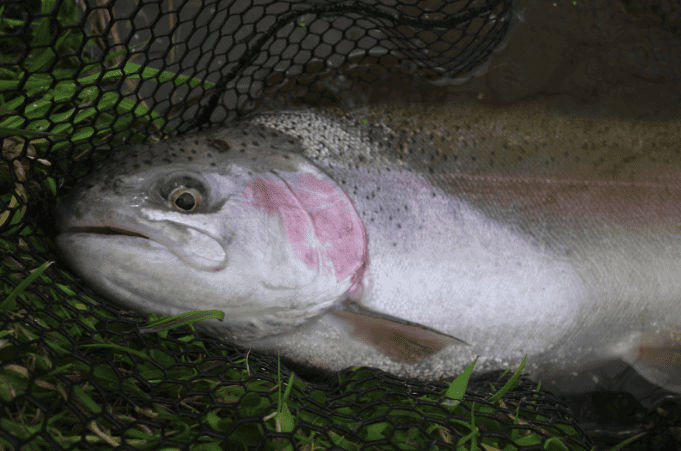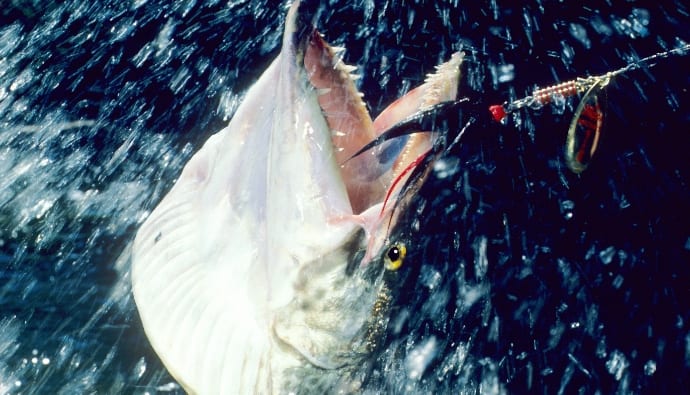

The ocean whitefish isn’t typically a sought-after fish in the sportfishing community. Most of the time, they are just nice fish to help fill your catch bag.

I like how they taste, so we’ll cover how to catch them in this guide.
Overview
The California whitefish is a species of tilefish that call the Pacific Ocean its home. It is also the name of several species of Atlantic freshwater fish.
The fish can be found along the coast of California but they have also been found north and south of their typical habitat. The conservation status of this fish is ‘least concern’ which means that it is not overfished as such.
Ocean Whitefish Facts
| Scientific Name: | Caulolatilus princeps |
| Common Name(s): | Ocean whitefish, blanquillo, pez blanco, California whitefish |
| Family: | Tilefishes |
| Characteristics | Small mouth with brown back and sides. The fins are yellowish or tinged with blue and green, and the belly is light. |
| Depth Range | 10 to 91 meters |
| Locations | It can be found in eastern Pacific waters and also near the shore of British Columbia and banks off the California coast. |
| Catch & Size Limits | Check your local regulations |
How to Catch Whitefish
Don’t let their small size fool you. Whitefish are notoriously aggressive and competitive eaters to boot so expect a number of bites when you are out fishing.
Since they have small mouths, small or medium-sized hooks work best. Since the mouths are quite tough, use the heavy gauge wire variety that you can remove easily rather than lighter ones which can snag easily.
Whitefish are attracted by a wide variety of baits. You can use plastic grubs or a simple squid bait which they love. This also includes pinhead anchovies or you can just cut up larger anchovies to make chunks. You can also use shrimp and pelagic red crabs as bait.
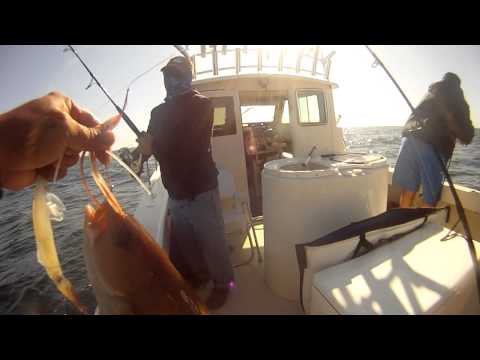
When it comes to rigs, use the dropper if you are a beginner. This gives the fish the extra foot of line to work with, so you won’t feel it biting too early and end up setting the hook too fast.
You aren’t done when you manage to reel one or catch one, either. Once it’s on deck, the whitefish puts up a vicious fight which makes handling it safely difficult. The gill plate cover has a serrated edge as well, so if you aren’t careful, you cut your finger. The best way to hold them is through the eye sockets if you plan to keep the fish.
Whitefish Fishing Tactics
- The best spinning rod to catch whitefish is a 7 to 10-foot-long medium-action spinning rod and reel combination. These are limber and sensitive enough to secure the fish as it puts up a strong fight.
- When catching whitefish, keep bait about 8 to 10 feet from the bottom. Whitefish hunt suspended from water columns that are located over rocky terrains.
California Whitefish Fishing Tips
- Fish for whitefish in deep waters at night and near rocky reefs and kelp beds in the morning.
- Use a rod holder if you are fishing in deep water for whitefish. It can be a long wait.
Catching Ocean White Fish Throughout the Year
Even though the whitefish can be caught year-round, some seasons are better than others. The best season for catching ocean whitefish is at the end of winter and into spring.
During this time, the water turns cool as the weather turns colder. Since the fish is cold-blooded, they swim closer to the shore and inland to keep warm.
How to Clean Mexican Whitefish
- Make an incision on both sides of the whitefish, starting from the gills located near the pectoral fins where you feel the backbone. You can also remove the head from there to make filleting easier.
- Cut through the dorsal side of the fish touching the backbone and create an incision at the tail end.
- Keeping parallel to the backbone, the male long strokes down the length of the fish with the knife to cut a fillet from the fish till you reach the belly and cut it off. Repeat the procedure on the other side to get the other fillet.
- Cut at the tail end of the fish right above the anal and anus fins.
Ocean Whitefish Recipe
- Preheat the oven to about 450°F and place a heavy baking sheet in there to preheat as well.
- Cut out 2 large rectangles of foil and place a fillet in each.
- Combine cloves, minced garlic, 1 tsp dried rosemary, 1 teaspoon of white pepper, and ¼ teaspoon of salt to make a mixture.
- Coat the fillets with the mixture evenly and place lemon slices on top.
- Fold the edges of the foil to cover the fillets ad crimp at the edges.
- Place the packets on the preheated baking sheet and pop it in the oven for 15 minutes or till the fish is cooked through.
- Serve in packets
Frequently Asked Questions
Q: What does ocean whitefish taste like?
A: Ocean whitefish that live in kelp beds have a bitter taste while others have a mild taste. The meat is flaky, and the heads, fin, and skin can be used to make fish stock.
Q: Where can whitefish be found?
A: With a few exceptions, this fish is unique to California, but they may swim far upstream and land near British Columbia. Whitefish have also been spotted around the Galapagos Islands, but the cold temperature and salt content of the Pacific Ocean is their favorite habitat.
Q: Is whitefish difficult to catch?
A: Ocean whitefish are known for tugging and pulling against the line, so you need to put in a lot of effort to keep them from escaping. Even when you reel it in, prepare to run around a bit as it bounces and jiggles violently on deck.
Q: How long do whitefish live?
A: The ocean whitefish matures at 3 to 5 years, and it can live for 13 years.
Q: What do whitefish eat?
A: Their diet consists of small invertebrates and fish such as crab, shrimp, squid, anchovies, and even lantern fish.
 Founder & Angler


 Facebook
 YouTube