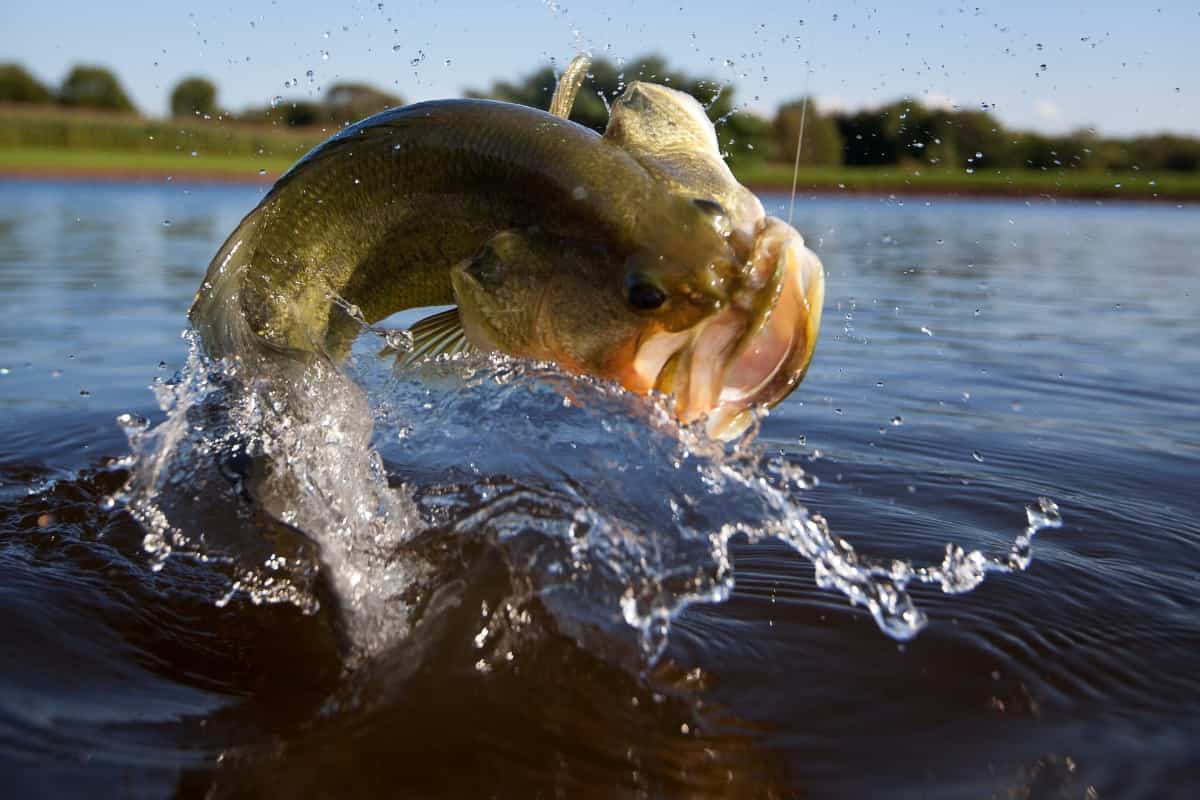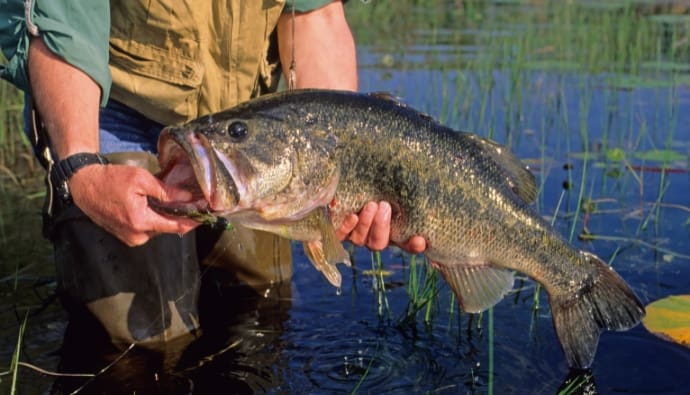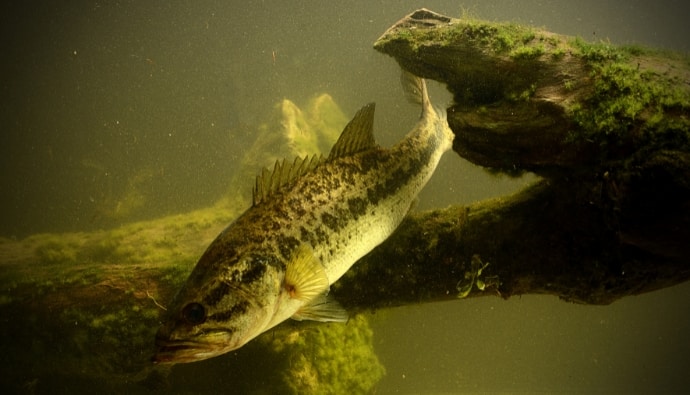

Fishing for sand bass can be a year-round activity. But there is a certain time of year the temperature and condition of the water are best for bass fishing. A few factors influence the best barred sand bass fishing seasons.
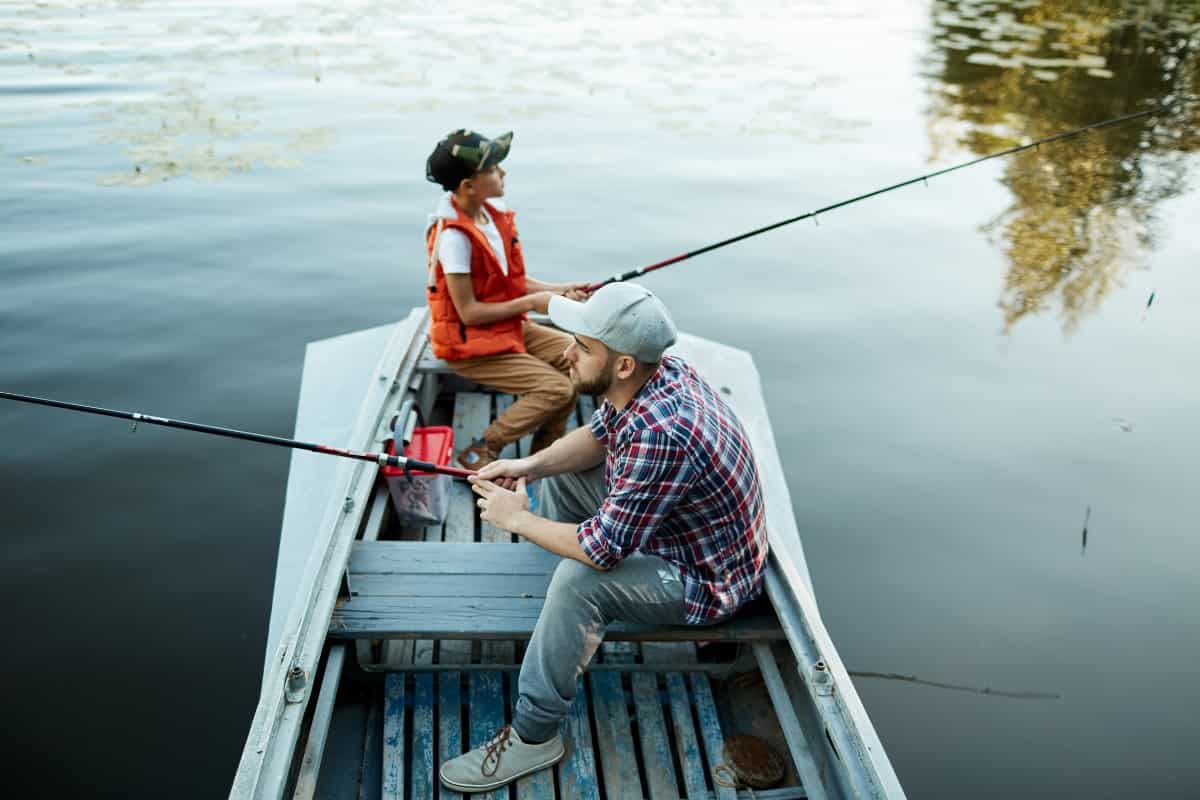
If you’re fishing for sand bass in California, consider when the fish spawn and the water surface where this fish usually inhabits. You can always choose to catch sand bass through a boat or deep fish.

Sand Bass Fishing Period
Winter
Fishing for sand bass dead in the winter water can be challenging for many anglers. The surface action may be over for the winter season as the water temperature cools from the summer. During this season, reefs, wrecks, and other structures come into play when bass fishing. Baiting a live squid can get them to bite.
Fishing them early morning and late afternoon can give you the best bites for this fish. Winter season lets you bag your trophy sand bass along with a large sheepshead and halibut. You can use a heavy line and a tight drag on the water surface.
Summer
Sand bass becomes an aggressive feeder when the temperature rises during the summer season. From mid-June through mid-August, these fish migrate in large numbers to spawn in SoCal flats and mud areas. It is also possible to catch schools of sand bass swimming from the surface to 80 feet to the bottom as they aggregate in a thick mass.
When fishing for sand bass during the summer season, a lighter line can be used as it has no snags to lose fish in. Lures that you can use during the sand bass spawn are plastics. They mimic the live bait as you cast it out away from your boat. Usually, if you catch one or two sand bass, expect more around as these fish move in schools.
Fall
When spring and summer bass fishing mix, fall bass fishing is born. During this season, bass can still be a good catch on the surface, but other large game fish often take the focus. Late October through November is still good for bass fishing as these fish feed aggressively to get ready for wintertime.
Fly lining a bait is effective during this time as sliding or lead heading for sand bass. Fall weather is one of the mildest of the year, and it’s a great time to catch sand bass.
Spring
Spring season is the transition period, and you may need weights to get to the area where sand bass feeds. You can also do coastal fishing during this season, as this provides surface action. You can also catch sand bass in mid and lower-water columns with the weights and your bait. Two techniques you can employ are sliding sinker and dropper sinker.
For bass to feed in a higher column, the temperature should be approximately 64 degrees. But a sudden temperature drop will push bass away from the surface.
Spawning Season
It is usually when sand bass species spawn that you can catch large sand bass fish. These fish aggregate in large groups during the day in July and August. Usually, bass caught in the same signifies that this site is where their large aggregation is.
During this time, you can fish on a boat or pier in Ventura flats, Huntington flats, Dana Point, and Imperial Beach, among others. Sport anglers usually release the sand bass caught in these areas to preserve their species.
Frequently Asked Questions
Baiting a sand bass, you can have one, two, or many options. Many bass caught on live squid proves that this bait is the most effective. But boat or deep fishing the Southern California water to catch this game fish, you can use other fishing baits. Small live mackerel and pieces of chunked or stripped dead mackerel can be perfect for baiting sand bass.
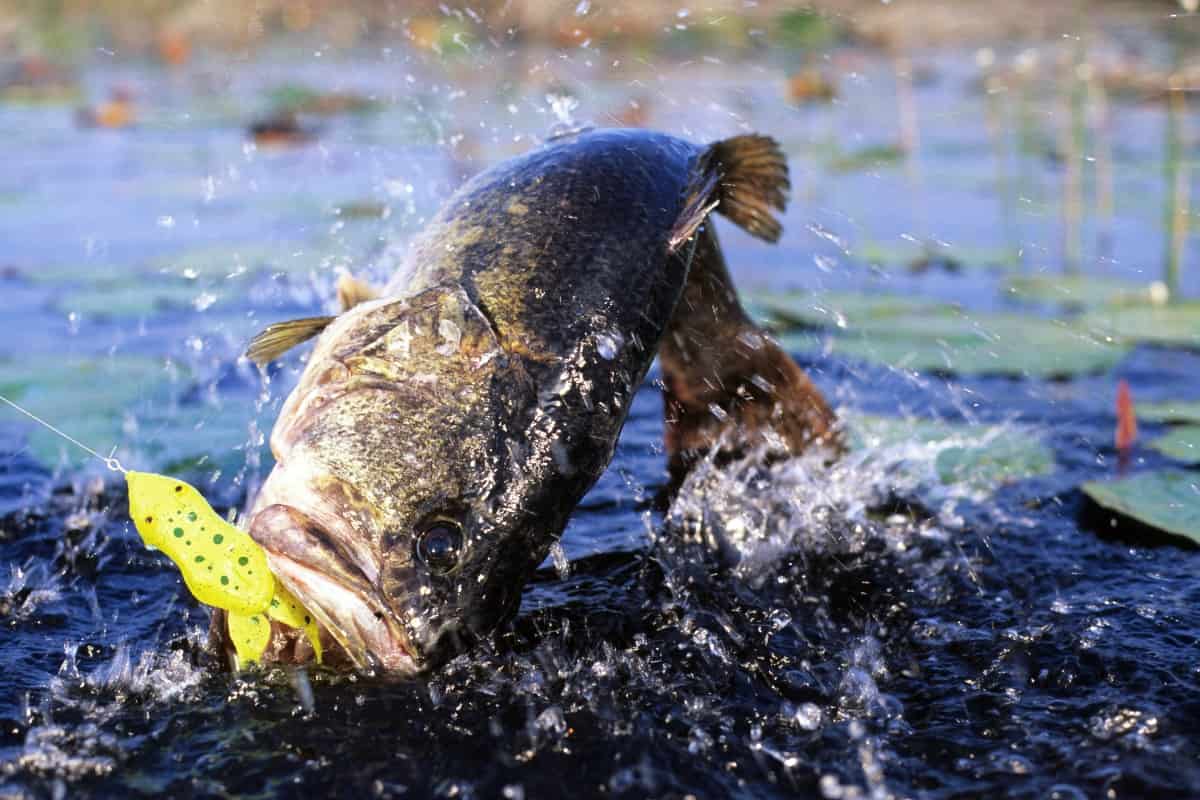
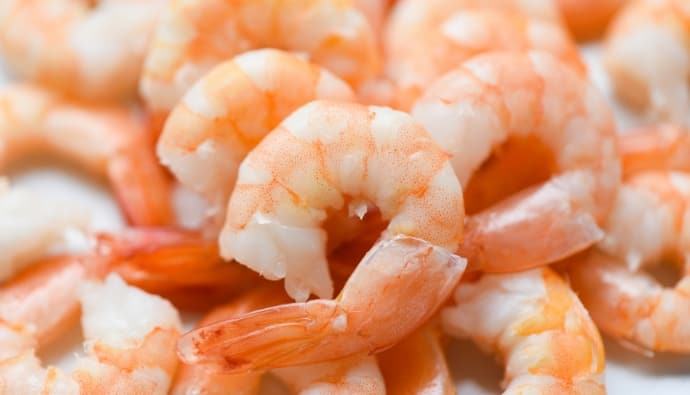
You can also use other fish species like anchovies and “brown baits” like queenfish or white croakers to get the sand bass fish out of the water. For pro anglers, artificial lures like plastic shrimp and grubs are also useful in fishing for barred sand bass fish species.
Bass fishing can be most active when the surface water temperature is 50-60 degrees, close to spawning conditions. The warmer water of summer from May to October provides the most action on large sand bass. A lot of bass caught by anglers fishing from November to April proves that this time can usually be an excellent catch for sand bass, as well. The time of day also varies throughout the year, and the water surface where they usually stay.
 Fishing Expert

 Facebook
 YouTube