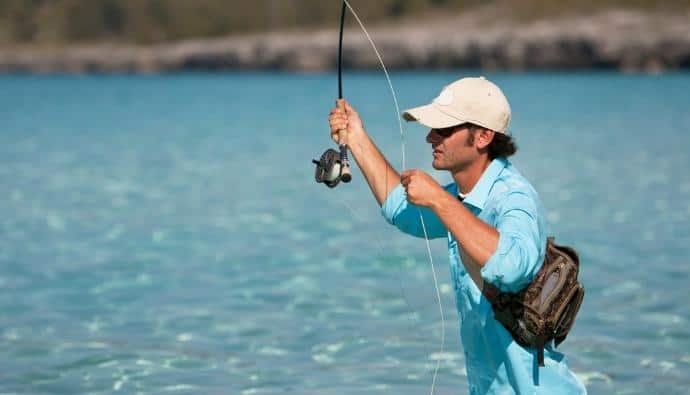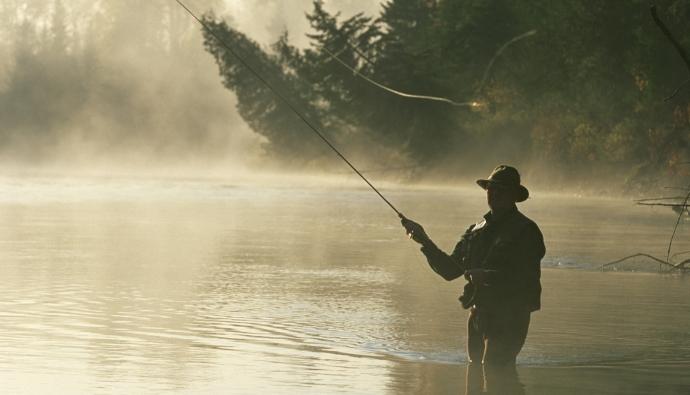

Yosemite National Park has picturesque lakes and streams with prime fishing spots that are home to a variety of fish.
Besides crappie, the park is home to trout like browns, California golden trout, and brookies. Stream and river fishing and mainly fly fishing in Yosemite is typically a dream come valid year-round for many anglers who want to camp and have fun catching some of the most delicious fish they can find.
Anglers who are 16+ years old and have a valid California fishing license can fish in Yosemite National Park. You can also get fishing supplies from the national park when you visit during the last Saturday in April if you run out of saying artificial lures for fly fishing. The season continues through November.
Listen to more fishing tips on the Cast & Spear Podcast
Best Spots to Fish in Yosemite
Whether you want to catch and release fish (except rainbow trout) or cook them over an open campfire, you should head to the best fishing lakes this park offers. Here are prime ones that we couldn’t help but spend hours fishing at year-round:
1. Merced Lake

Merced Lake or Lake Yosemite is located in Merced and offers fishing opportunities all summer and right into winter. It’s an excellent destination in the park if you want to go fishing in early spring. It turns into a lazy river in the fall, so you can enjoy stream and river fishing for months.
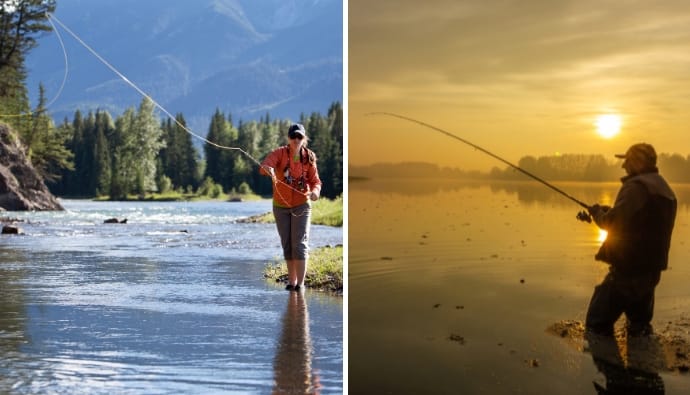
The lake is located in the eastern part of Yosemite Valley and is a popular spot for fly fishing enthusiasts. This is why Yosemite fly fishing is considered to be the best in California.
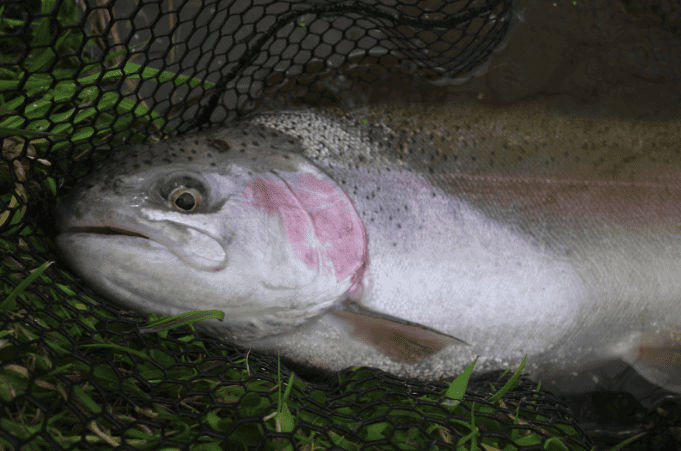
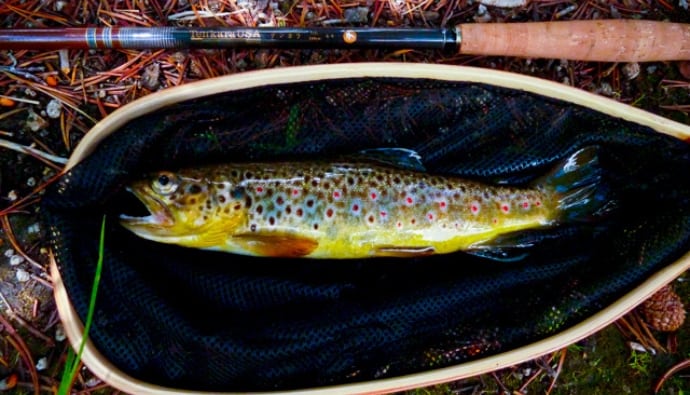
Merced is famous for its gorgeous rainbow trout and brown trout, besides its beautiful Yosemite Valley location. The best spot to catch trout is on the South fork of the Merced River. The river can warm up during March, but anglers are not allowed to fish in those waters till April. The fishing season starts in April and continues through November.
2. Glen Aulin
Fishing in Yosemite is incomplete if you don’t scope out the Tuolumne River. The Glen Aulin High Sierra Camp is where you can find the Tuolumne River, which is rich with an abundance of fish. You can find brown, brook, and rainbow trout here easily for the best Yosemite fishing.
The river runs through the Tuolumne Meadows and offers the best Yosemite fishing around. You can find a variety of fish at the head, especially rainbow trout, which you can catch and release only. You can use artificial lures, but you will have more luck if you use black ants and small grasshoppers.
Frequently Asked Questions
Yes, you can fish in the park. Even fly fishing is allowed provided you are 16 years old or older and have a valid California fishing license.
The park is home to several lakes and reservoirs. Besides the ones above, you can fish in Tenaya Creek, Lake McSwain, Lake McClure, and Crane Creek.
You can find brown, rainbow, and brook trout in abundance while fly fishing Yosemite. However, you can also find sunfish, black bass, and crappie in warmer lakes.
The last Saturday in April is perhaps the best time to start fishing in Yosemite.
 Founder & Angler


 Facebook
 YouTube