California boasts some of the most iconic and productive
Why Pier Fishing in California is Special
Public piers in California offer unique advantages:
- Accessibility: Easy entry points for anglers without boats.
- Structure: Piers act as artificial reefs, attracting baitfish and, consequently, larger predators.
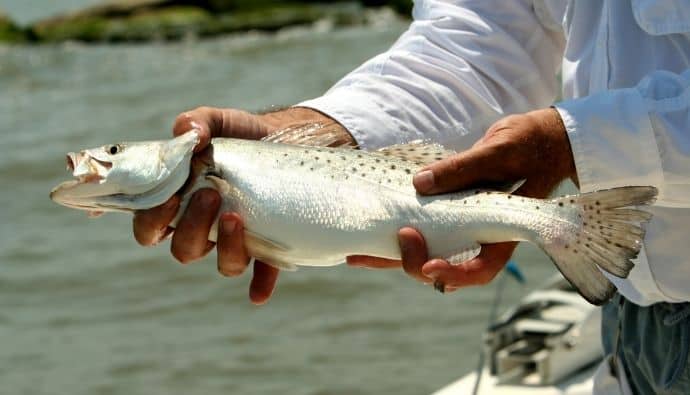
- Variety of Species: Depending on location and season, you can target everything from surfperch, croakers (yellowfin croaker, spotfin croaker), and California corbina near the shore, to halibut (California halibut), mackerel, bonito, various bass species (like Calico Bass), and even sharks (leopard sharks) and rays in deeper sections.
- No
Fishing License Required (Usually): On most public piers in CA ocean waters, afishing license is not required, making it even more accessible (but always verify current regulations and remember all catch limits, size limits, and seasons still apply).
Essential California Pier Fishing Tackle & Gear
Choosing the right gear makes a huge difference. While specialized setups exist, versatile tackle can cover most situations.
Pier Fishing Rod
- What size rod for pier
fishing ? A 7- to 9-foot rod is generally the sweet spot for versatility. Shorter rods (7-8 ft) offer better control for jigging near pilings orfishing straight down, while longer rods (9-10 ft+) provide more casting distance, useful for reaching troughs or deeper water. - Material & Action: Graphite or composite rods are common. A medium to medium-heavy action provides a good balance for casting typical pier weights (1-4 ounces) and handling various fish sizes. You’ll want a heavier action rod if specifically targeting large sharks or rays.
- Type: Spinning rods are generally easier for beginners, but conventional rods offer advantages for heavy baits and larger fish.
Pier Fishing Reel
- Spinning: A 3000 to 5000-size spinning reel balances well with most pier rods and has adequate line capacity and drag for common species.
- Conventional: Useful for heavy lines, casting heavy baits for sharks/rays, or when more cranking power is desired.
Fishing Line
- Best Color Line: Clear, low-vis green, or blue monofilament/fluorocarbon leaders are generally preferred in clear California waters. Braid color matters less as you’ll use a leader.
- What is the best
fishing line for pierfishing ? / What pound line? There’s no single “best,” but good options include:
- Monofilament (Mono): 15lb to 30lb test is a good all-around range for targeting most pier species like perch, croakers, and halibut. It’s affordable, abrasion-resistant, and has some stretch. Use heavier mono (40-80lb+) for shark/ray leaders.
- Braided Line (Braid): Is 20lb braid good for pier
fishing ? Yes, 20-30lb braid is excellent as a main line. It offers superior sensitivity (no stretch), thin diameter for better casting and less current drag, but requires a leader (mono or fluoro) for shock absorption and visibility near the hook. Use heavier braid (50lb+) if targeting bigger game. - Fluorocarbon (Fluoro): Often used as leader material (1-3 feet connected to your main line via a swivel) due to its low visibility underwater and good abrasion resistance. Match leader strength to your target and conditions (15-40lb common, heavier for big fish).
Hooks
What is the best hook for pier
Sizes: A range from Size 4 up to 4/0 covers most common situations (perch, croaker, smaller halibut). Use larger, stronger hooks (6/0 to 10/0+) for sharks, rays, or large baits.
Types:
- Baitholder Hooks: Have barbs on the shank to help hold soft baits like worms or squid strips. Good for perch/croaker.
- Circle Hooks: Excellent for conservation (usually hook fish in the corner of the mouth) and often required for certain species/locations. Great for live bait and larger fish where you let the fish run before tightening the line.
- J-Hooks: Standard shape, requires a firm hookset.
- Kahle Hooks: Wide gap, good for bulky baits or specific presentations.
- Aberdeen Hooks: Fine wire, good for presenting small delicate baits like worms or ghost shrimp.
Sinkers (Weights)
Do you need a sinker for pier
What size/weight sinker? Depends heavily on current, depth, wind, and bait size. Common range is 1 to 4 ounces. Use just enough weight to hold bottom without being excessive. Heavier weights (4-8+ ounces) are needed for strong currents or large baits (Monster Rig).
Types:
- Pyramid Sinkers: Excellent for holding in sandy bottoms (common around piers).
- Egg Sinkers: Used on sliding rigs like the Carolina Rig and Monster Rig (knocker style). What size egg sinker? Match to conditions, 1/2 oz to 3+ oz.
- Sputnik/Grip Sinkers: Designed to hold firmly in strong surf/current, but can be prone to snagging on rough pier bottoms.
- Split Shot: Small weights crimped onto the line, used for fine-tuning float rigs or adding minimal weight.
Other Essential Tackle
- Swivels: Barrel swivels prevent line twist; connect main line to leader. Three-way swivels are used for specific rigs (like some Paternoster variations or dropper rigs).
- Beads: Used as buffers/bearings on sliding sinker rigs (Carolina, Fish Finder) to protect knots.
- Clips: Snap swivels or specialized sinker clips (like sinker slides or quick-change clips) for easily attaching/changing weights. Bait clips (like Imp Clips) are used on some casting rigs.
- Leader Material: Spools of monofilament and/or fluorocarbon in various strengths.
- Pier Net / Gaff: Essential for landing larger fish from the height of the pier.
- Pliers/Knife: For cutting line, removing hooks, cutting bait.
- Rod Holders: Keep your hands free.
- Bucket/Cart: To carry gear and your catch.
- Measuring Device: To ensure fish meet legal size limits.
Best Baits for California Pier Fishing
Matching the hatch (or local preference) is key! What is the best bait for pier
Live Baits: Often irresistible.
- Anchovies / Sardines: Excellent for halibut, mackerel, bonito, bass. Catch them yourself with a Sabiki rig (see below) or buy them live/fresh dead from local tackle shops.
- Smelt: Another great live bait option, especially effective for halibut.
- Ghost Shrimp / Mud Shrimp: Killer bait for surf perch, corbina, spotfin croaker. Often requires specialized pumps to collect.
Dead/Cut Baits: Widely available and effective.
- Squid: Extremely versatile. Use strips for smaller fish (perch, croaker) or whole squid for larger targets like halibut, sharks, and rays. Durable and stays on the hook well.
- Shrimp: Small pieces for perch/croaker, whole (peeled or unpeeled) for various species.
- Mussels: Excellent bait for perch and sometimes corbina, especially near pilings where they naturally occur. Shuck them and use the soft body part.
- Bloodworms / Pile Worms: Classic pier baits, effective for perch, croaker, and other bottom feeders.
- Cut Mackerel / Sardine / Anchovy: Oily fish chunks release scent and attract many predators, including halibut, sharks, rays, and larger bass.
Sand Crabs (Mole Crabs): What bait attracts the most fish like California corbina and surf perch in the surf zone near piers? Soft-shelled sand crabs are arguably the top choice during summer months. Look for them digging in the wet sand near the pier.
Artificial Lures: Can be very effective, especially for predatory species.
- Sabiki Rigs: Not for catching game fish directly, but essential for catching live bait like anchovies, sardines, and smelt. Consists of multiple small, flashy flies/hooks on dropper lines.
- Spoons / Casting Jigs: Effective when cast and retrieved for mackerel, bonito, barracuda, or sometimes bass. Krocodiles, Kastmasters are popular.
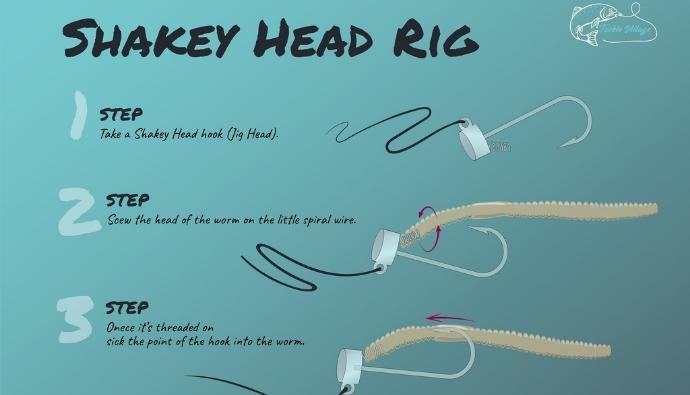
- Soft Plastics on Jig Heads: Grubs, swimbaits fished near pilings or along the bottom can tempt halibut, bass, and sometimes rockfish (where allowed). Jig head weight depends on depth/current.
Scent Attractants: Products like Procure can enhance natural or artificial baits.
Top Pier Fishing Rigs for California Waters
What is the best rig for pier
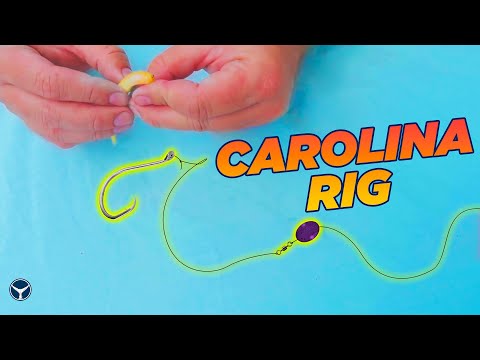
Carolina Rig
- Best For: Presenting bait naturally along the bottom for halibut, corbina, surf perch, croakers. Allows bait movement separate from the weight.
- How: Sliding egg sinker -> Bead -> Barrel Swivel (all on main line) -> Leader -> Hook.
- CA Tips: Vary leader length (12-36 inches); longer leaders allow more natural drift. Use appropriate egg sinker weight (1/2 – 2 ounces) to maintain bottom contact. Excellent with ghost shrimp, worms, squid strips, or cut anchovy.
Paternoster Rig / Dropper Loop Rig (Bottom Rigs)
- Best For: Targeting large sharks (leopard sharks, soupfin, threshers if accessible), large bat rays, or trophy halibut using heavy gear and large baits.
- How: Heavy egg sinker (4-8+ ounces) slides directly on heavy mono leader (60-100lb+) -> Heavy-duty hook (8/0-16/0+) tied directly to end of leader.
- CA Tips: Use whole mackerel, bonito chunks, large squid, or ray wings as bait. Often requires specialized heavy rod/reel setup. Circle hooks highly recommended for sharks/rays.
Monster Rig (Heavy Knocker Rig)
- Best For: Targeting large sharks (leopard sharks, soupfin, threshers if accessible), large bat rays, or trophy halibut using heavy gear and large baits.
- How: Heavy egg sinker (4-8+ ounces) slides directly on heavy mono leader (60-100lb+) -> Heavy-duty hook (8/0-16/0+) tied directly to end of leader.
- CA Tips: Use whole mackerel, bonito chunks, large squid, or ray wings as bait. Often requires specialized heavy rod/reel setup. Circle hooks highly recommended for sharks/rays.
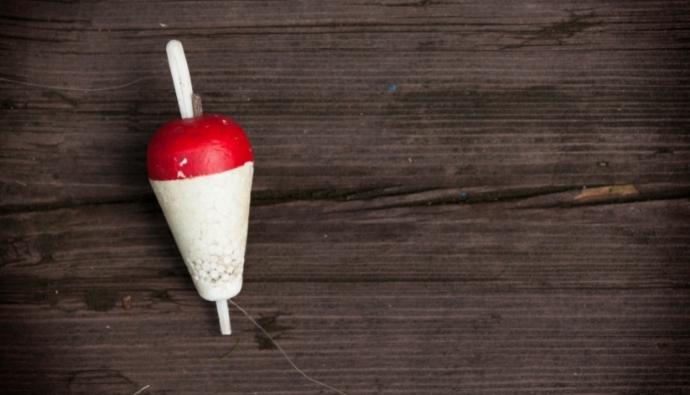
Floating Rig (Slip Float Rig)
- Best For: Suspending live bait (anchovy, smelt) or cut bait at a specific depth for pelagic species like mackerel, bonito, barracuda, or sometimes bass or halibut feeding mid-water.
- How: Bobber Stop -> Bead -> Slip Float -> Bead -> Barrel Swivel (all on main line) -> Leader -> Hook -> (Optional: Split shot weight on leader).
- CA Tips: Adjust bobber stop to find the feeding depth. Use smaller floats for lighter baits, larger ones for heavier baits or better visibility. Critical for presenting live anchovy or smelt effectively.
Fish Finder Rig (Sliding Sinker Rig)
- Best For: Wary fish, allows fish to take bait without feeling weight immediately. Great for live bait (anchovy, smelt) or cut bait presentation for halibut, bass, sharks, rays.
- How: Sinker Slide (with weight clipped on) -> Bead -> Barrel Swivel (all on main line) -> Leader -> Hook.
- CA Tips: Use pyramid sinker (2-4 ounces) to hold bottom. Leader length (18-36 inches) affects presentation. Circle hooks work very well with this rig.
Sabiki Rig
- Best For: Catching live bait – anchovies, sardines, smelt, small mackerel. Essential piece of tackle for any serious CA pier angler wanting fresh live bait.
- How: Pre-tied rig with multiple small hooks/flies. Attach a small weight (1/2 – 1 ounce) to the bottom clip. Jig it gently up and down near pilings or where baitfish schools are seen.
- CA Tips: Handle baitfish carefully; transfer immediately to a bait bucket with an aerator if keeping live. Check regulations on hook number limits for Sabiki rigs.
Effective Pier Fishing Strategies for California
- Location, Location, Location: Don’t just cast randomly. Fish near structure (pilings often hold perch, bass, sheephead), troughs between sandbars, transition zones (sand to rock), kelp beds (if reachable), and the deeper water at the pier’s end (for larger species). Observe where locals are
fishing successfully. - Fish the Tides: Is pier
fishing better at high or low tide? Generally, moving water is best. The periods around high tide and low tide (incoming and outgoing phases) often trigger feeding activity as currents move baitfish. Slack tide (peak high or low) can be slow. Experiment to see what works best at your specific pier. What is the best time? Early morning and late evening often coincide with good tides and lower light, making them prime times. - Casting vs. Dropping: Casting allows covering more ground, reaching troughs, or targeting specific zones away from the pier. Dropping baits vertically or pitching them near pilings is effective for structure-oriented fish.
- Detecting Bites: Watch your line where it enters the water for subtle ticks or movement. Feel for slight taps or weight changes. Braid enhances sensitivity.
- Avoid Snags: Try to identify snaggy areas and fish around them. If you do get snagged, try pulling from different angles steadily (don’t yank violently). Sometimes changing the angle frees the rig. Use appropriate weight – too heavy increases snag risk.
- Landing Fish: Use a pier net or gaff for any fish of significant size that cannot be safely lifted straight up.
Know Before You Go: Regulations
- Fishing License: Remember, no license is typically needed on California public piers in the ocean, but always verify. Private piers may require one.
- Limits & Seasons: ALL other regulations (size limits, bag limits, seasonal closures, protected species) are strictly enforced. Download the CA Fish & Wildlife regulations booklet or use their app. Ignorance is not an excuse.
Frequently Asked Questions
Early morning / late evening during moving tides (incoming/outgoing).
Moving tides (high or low phase) are generally better than slack tide.
15-30lb mono or 20-30lb braid (with leader) for general use. Heavier for big game.
Size/type depends entirely on target/bait (Size 4 to 4/0 common; circle hooks often preferred).
1-4 ounces typical; adjust for conditions.
Varies, but squid, anchovies, mussels, worms, sand crabs, shrimp are top CA pier choices. Check local reports.
Depends on target/method (Carolina, Fish Finder, Float Rig, Paternoster are versatile).
Conclusion: Rig Up for California Pier Success
California pier