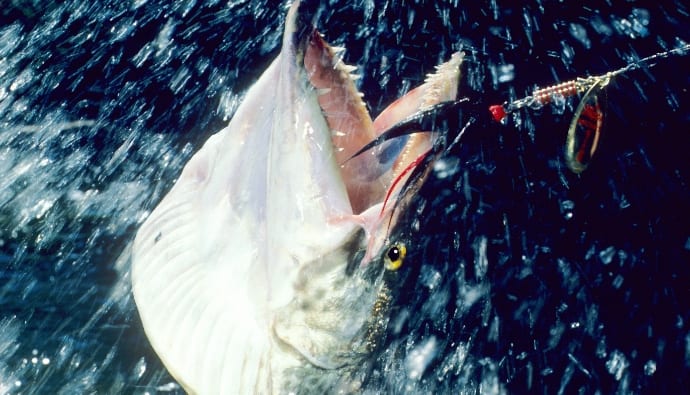

I won’t lie. The alligator gar looks TERRIFYING!
With a striking resemblance to the American alligator, this gar is definitely a trophy fish worth the challenge for seasoned anglers. So get your gears, rod, and reel ready. Here are alligator gar fishing tips!

They are often referred to as “dinosaur fish,” “primitive fishes,” or “living fossils.” This is because its existence can be traced back over 100 million years ago to the Cretaceous period.
I caught my gar while fishing in Bangkok, but luckily there are many here in the States to catch and enjoy!
Overview
Retaining morphological characteristics of their ancestors, the giant alligator gar is unique and powerful. Catching one of these is definitely a momentous occasion for any angler.
If you want to add one of these giants to your list of achievements, here is everything you need to know about fishing for one.
Alligator Gar Facts
| Common Name | Alligator gar and gator gar |
| Scientific Name (Genus and Species) | Atractosteus spatula |
| Family | Lepisosteidae (Gar family) |
| Identifying Characteristics | Alligator gar resembles an American alligator. The fishes have a particularly long snout (different from the longnose gar) and long, sharp teeth. |
| Locations for How to Catch | North America. From the Mississippi River basin to the south of the Gulf of Mexico and from the Gulf of Mexico Coastal Plain to Veracruz, Mexico. |
| Natural History | Found in a wide variety of aquatic habitats but mostly in reservoirs, lakes, backwaters of rivers, and brackish waters of estuaries and bays. |
| Limits | Check your local regulations |
Alligator Gar Habitat
Alligator gars are distributed in the waters in the Gulf of Mexico coastal plains in Florida to Veracruz, Mexico. They also have a historic range that extends from the north of the Mississippi River Basin to rivers in Missouri and Ohio.

They are also found in large rivers, coastal bays, bayous, and reservoirs around Texas. Surveys show that while alligator gar populations are decreasing in some locations due to habitat loss, however, the populations in Texas are still strong.
How to Catch Alligator Gar
Depending on the area they are fishing in, anglers use different methods to catch gar. Some of these methods include bow fishing, fly fishing, and rod and reel. Other than that, some rod and reel anglers also use passive gear such as trotlines, and limblines to catch them.
Gar Fishing Techniques
Being a large fish, the bigger the bait for this gar species, the better. Live bait such as common carp, gizzard shad, and mullet work great.
You can also cast artificial lures with your rod and reel to catch an alligator gar. Often, alligator gars violently thrash which is why some anglers have opted to use several feet of steel leader against this – especially with the gar’s sharp teeth.

Despite being difficult to catch, this freshwater gar has been caught in every kind of setup with a well-stocked tackle. In fact, you can even catch one by fly fishing.
You can find gator fish in lakes, bayous, backwaters, and coastal delta waters. However, they also inhabit brackish or marine waters but seldom. They can survive in stagnant and hot waters as well but prefer sluggish pools and weedy environments.
In the summer, you can find them swimming a few feet below the water surface, breaking it when they need to take air into their swim bladder.
Fishing Tactics
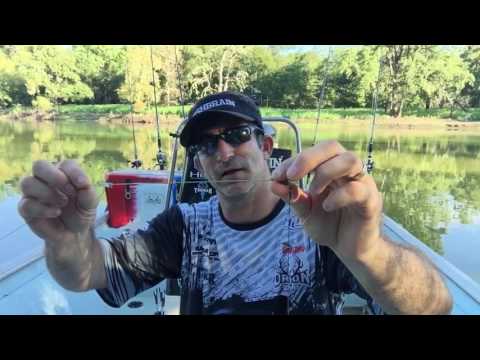
- Using a rod and reel with a 40-80 pound test line, hook a cut carp on a circle or J hook, and use a strong braided line with a steel leader to fasten it. You can add weights to suspend the bait to the bottom of the water body.
- They are excellent ambush predators. If you’re fishing in a lake, watch for schooling baitfish such as shiners and mullets. When you spot a school that is breaking water or being herded, it might be being pursued by an alligator gar. Keep your boar silent, rig your bait, and cast your rod and reel. Get ready to set the hook.
Alligator Gar Fishing Tips
- One mistake that many amateur anglers make is tugging the line as soon as a fish takes the bait. However, the line comes up empty. This is because alligator gar has a bony jaw that is resistant to fish hooks. To successfully catch the fish with your rod and reel, set the hook and allow enough time for the sigh to swallow the bait before starting to reel it in. However, note that this method isn’t advised since it poses more risk of harming the alligator fish. It’s best to try and hook it in the mouth with a 9/0 or 10/0 J hook fastened with a strong braided line with a steel leader or treble hook with a powerful hookset.
- If you’re releasing a gut-hooked alligator gar, use smaller hooks to minimize the damage to the fish and extend its survival rate. Make sure they aren’t stainless steel so they degrade over time and cause less internal damage.
How to Clean Alligator Gar

- As soon as you’ve killed the fish, store it in a cool place and get it away from the sun. It is ideal that you clean and guts the fish soon after you’ve caught it.
- Using a pair of tin snips or a hatchet, make a lateral cut just behind the fish’s head. This may take a few hacks to do as the Alligator gar fish is armored.
- Use a sharp fillet knife to cut through the scales and hide down the length of the spine to the tail.
- Cut away the skin on either side of the fish from where you made the cut along the spine to reveal the meaty interior of the Alligator gar.
- Use pliers to remove the bones connecting the dorsal fins to the spine. Insert the knife in the middle until you hit the ribs, and follow along the length. Go over the cut and remove the meat from both sides.
- Scrap the carcass. Do not eat the roe of the alligator gar, as it is one of the few fish that have poisonous eggs.
- Remove the red or bloody-looking parts from the fillets, as they are what will create the nasty fishy flavor Alligator gar is known for.
How to Cook Alligator Gar
Alligator Gar Recipe
- In a Ziploc bag, combine 4 tablespoons of olive oil, 2 tablespoons steak seasoning, 1 tablespoon of Worcestershire sauce, 2 tablespoons red pepper, 1 tablespoon of Cajun seasoning, 1 teaspoon of ground black pepper, 1 tablespoon of minced garlic, and ¼ teaspoon of ground cumin.
- Add 2.5 lbs of Alligator gar fillets to the bag and mix thoroughly to coat each piece.
- Keep the bag in the coldest part of the fridge while you prep the coal and grill.
- When the coal is white-hot, place the Alligator gar fillets on the oiled grill.
- Cook the fillets for 5 to 8 minutes on each side, making sure they are grilled all the way through.
- Serve with some grilled veggies, and enjoy!
FAQs
Q: Can alligator gar hurt you?
A: Although there are no reported alligator gar attacks, the long sharp teeth that stick out of their snouts can hurt. They can give a painful bite, so it’s better to be cautious when handling the fish.
Q: Can you keep an alligator gar as a pet?
A: Alligator gars don’t make good household pets. They require very large aquariums or ponds and ample resources to thrive in captivity. In fact, they are illegal to be kept as pets in various areas.
Q: What does alligator gar taste like?
A: Most people don’t like the taste of the alligator gar and describe it as “too fishy”. However, when cleaned properly and dark meat removed, the fish has a mild flavor.
Q: How many teeth does an alligator gar have?
A: Alligator garfish have two rows of long sharp teeth on their upper jaw. The exact number of teeth is variable. The number of teeth can be lesser or more based on the size of the snout and the entire fish as well.
Q: What is the best bait for alligator gar?
A: Common carp, gizzard shad, and mullet are the best for the alligator gar. The best bait also depends on where you’re fishing and the type of water. Depending on those, use the fish that the alligator gar would feed on.
Q: How do you fish a gar?
A: The gar species consists of strong fish and will take off as soon as they get the bait. Wait for them to swallow the bait, and then set the hook firmly before reeling it in.
Insider Advice
Despite not being an easy catch, this dinosaur of a fish is certainly a trophy, one that every angler wants to have. Besides catching one (especially with a rod and reel), the excitement of spotting this relic of the Cretaceous period is just as satisfying.
If you have had the pleasure of getting your hands on one, let us know in the comments below. And if you haven’t, why not give it a go? If you’re successful, you’ll definitely have bragging rights!
 Founder & Angler


 Facebook
 YouTube